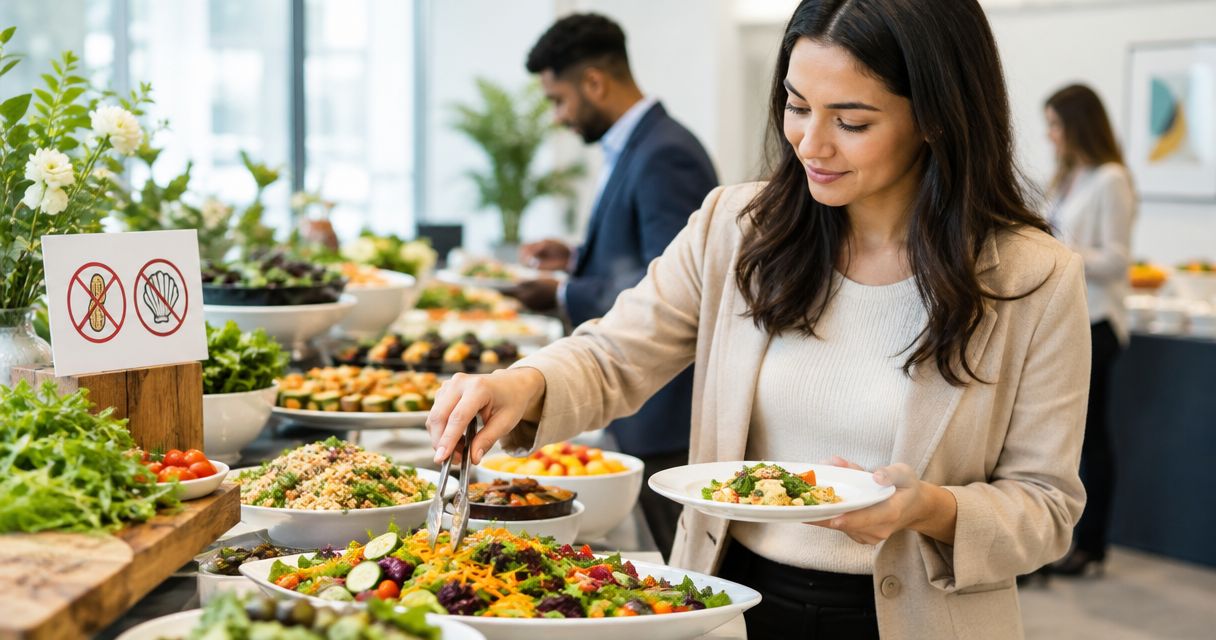
Yes, caterers can accommodate peanut or shellfish allergies when they can verify ingredients and control allergen cross-contact during preparation, transport, and service. Removing peanuts or shellfish from a recipe alone does not make the meal suitable for an allergic guest. For your 2026 event, confirm the specific preparation and serving plan before promising anyone an allergy-safe meal.
- Can catering accommodate food allergies like peanuts or shellfish? Yes, when ingredient checks and cross-contact controls support the request.
- FDA identifies peanuts and crustacean shellfish among nine major food allergens.
- DG&G Gravy Train Catering provides BBQ and soul food catering; confirm allergy accommodations directly before booking.
- A separate meal still needs verified ingredients, protected packaging, and a clear serving handoff.
Start with the catering contact page and explain the exact allergy—not simply that a guest needs a special plate. Ask who will confirm the request and what happens if an ingredient or preparation method changes.
Can catering accommodate food allergies like peanuts or shellfish?
Yes, but the caterer's actual kitchen and service procedures determine whether the request is workable. A dish without an intentional peanut or shellfish ingredient can still encounter that allergen through shared equipment, utensils, hands, or serving areas.
Use these 4 planning steps before approving the meal:
- Name the allergen. Identify peanuts, shrimp, crab, lobster, or the other specific foods the guest avoids. Let the guest or parent describe their requirements rather than interpreting them yourself.
- Verify ingredients. Ask the caterer to check recipes and current package labels, including sauces, seasoning blends, dressings, and garnishes.
- Review preparation. Discuss shared fryers, grills, utensils, storage, cleaning, and how the meal stays separate during transport.
- Confirm service. Agree on packaging, identification, the person responsible for delivery, and the handoff to the correct guest.
A clear answer explains the process. A general reassurance that everything should be fine does not give you enough information to approve the meal.
Why this matters for your 2026 gathering
Food allergies are not the same as preferences. An allergic guest needs reliable ingredient information and a preparation plan that addresses unintended allergen transfer, not just a different side dish.
The U.S. Food and Drug Administration identifies 9 major food allergens: milk, eggs, fish, crustacean shellfish, tree nuts, peanuts, wheat, soybeans, and sesame. That list helps frame ingredient conversations, but people can have allergies to foods outside it.
For a wedding, church supper, or office lunch, the challenge extends beyond the kitchen. A carefully prepared meal can encounter an allergen when someone changes a serving spoon or adds an unchecked garnish. Plan the whole path from preparation to the guest's plate.
Why allergy accommodations vary between caterers
These 5 factors determine what a caterer can responsibly agree to:
- Ingredient verification. A simple-looking dish can contain a sauce or seasoning with several ingredients. The caterer needs current information rather than memory or assumptions.
- Shared equipment. Fryers, grills, cutting boards, mixers, and utensils require specific discussion. Separate utensils alone do not address every shared-equipment concern.
- Preparation space. Ask where the meal will be prepared, how the area will be cleaned, and how allergen-containing ingredients will be kept away.
- Transport and holding. Covered containers and clear identification help protect a meal after preparation. Check who controls it between the kitchen and the venue.
- Serving arrangements. Self-service, staff service, and individually packaged meals create different handling situations. Ask who prevents utensil swaps and last-minute additions.
These are questions to resolve, not services to assume. A caterer should decline a request when its procedures cannot meet the guest's needs.
Which serving arrangement makes sense for an allergic guest?
Choose the serving arrangement based on handling controls, not how formal the event looks. A plated dinner is not automatically suitable, and a covered meal is not automatically free from cross-contact.
The comparison below covers service approaches to discuss with your caterer. None replaces ingredient verification or an honest assessment of the kitchen.
| Serving approach | Best for | Practical advantage | Limitation to address |
|---|---|---|---|
| Individually packaged meal | A guest needing a clearly identified handoff | Can stay covered until delivery to the guest | Packaging does not correct cross-contact during preparation |
| Staff-served meal | Events with a designated service contact | Lets staff control serving utensils and meal identification | Staff need accurate instructions and a clear handoff |
| Self-service buffet | General event service where shared access is acceptable | Lets guests choose their portions | Guests can move utensils or spill food between dishes |
If a caterer offers an individually packaged meal, ask where it will wait and who will deliver it. Do not place it beside open dishes and assume the label will protect it.
For a staffed meal, name the person responsible for the handoff. Avoid passing the instructions through several volunteers while everyone is trying to get supper on the table.
What should you check on a BBQ and soul food menu?
Start with the complete recipe, not the dish's name. Plain-sounding meat, vegetables, or rice still require an ingredient and preparation check.
For BBQ and soul food catering, ask about:
- Sauces and marinades: Check the full ingredient list, including purchased bases and finishing sauces.
- Fried foods: Ask what else uses the fryer and cooking oil. Removing shellfish from the order does not change what previously went into shared oil.
- Sides and dressings: Review broths, seasoning blends, toppings, and dressings rather than assuming vegetables are suitable.
- Desserts: Check fillings, toppings, ingredients, and shared preparation equipment for peanut concerns.
- Garnishes and service extras: Include finishing touches added at the venue, not just the food packed in the kitchen.
These are examples of what to investigate, not claims about any caterer's recipes. Do not label a dish suitable based on appearance, tradition, or its menu description.
DG&G Gravy Train Catering is a fit for Charlotte-area hosts seeking BBQ and soul food catering. Discuss peanut or shellfish requirements directly before choosing dishes; that service description does not establish allergy-handling capabilities.
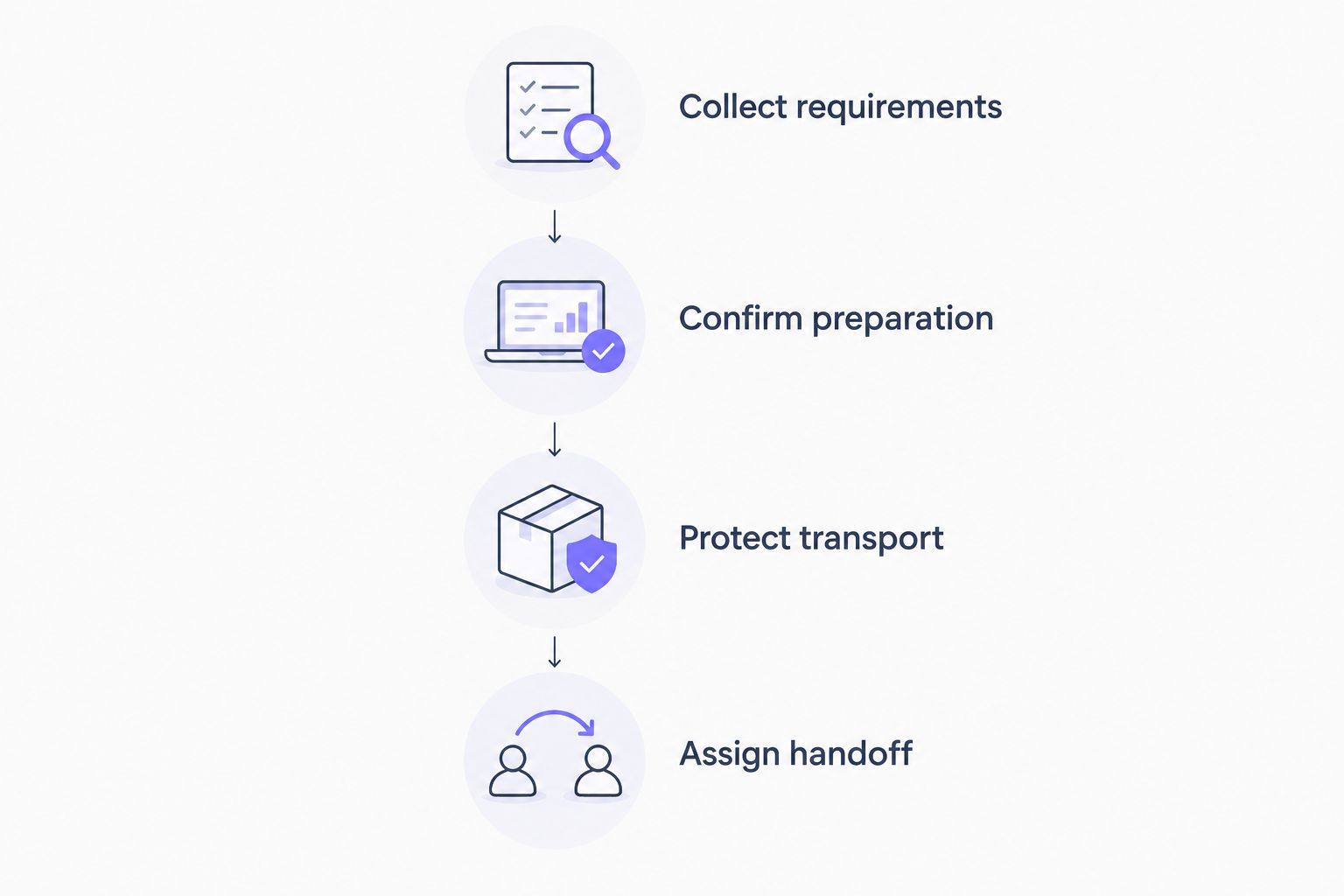
How do you organize the allergy request for a 2026 event?
Keep the instructions together in one written record. The goal is a clear handoff, not a long email chain with different versions of the menu.
Collect requirements
Ask the guest or parent which foods must be avoided and what information they need from the caterer. Keep a food allergy separate from a preference on your planning sheet so staff do not treat the requests as interchangeable.
Confirm preparation
Ask the caterer to explain ingredient checks, shared equipment, and preparation procedures. If the answer leaves a concern unresolved, bring that concern back to the guest rather than filling in the gap yourself.
Protect transport
Agree on how the meal will be covered, identified, and kept separate during delivery and holding. Include the venue team if someone other than the caterer receives the food.
Assign handoff
Choose a specific person to connect the meal with the correct guest. Make sure that person knows not to add sauces, sides, bread, or garnishes without checking the agreed plan.
Reconfirm the plan when the menu or supplier ingredients change. An earlier agreement should not silently carry over to a substituted sauce or a different serving arrangement.
What should your written allergy request say?
For your 2026 event, send a request that identifies the allergy and asks for a process—not a guarantee the caterer cannot support.
Include these details:
- Event date, venue, and your main planning contact.
- The specific food allergy and the guest's stated avoidance requirements.
- The proposed dish, including sides, sauces, and garnishes.
- Questions about ingredient verification and shared equipment.
- The requested packaging, identification, and serving handoff.
- A request to be told before any ingredient or preparation change.
Ask for a direct answer about whether the caterer can meet those requirements. If the caterer cannot confirm the plan, do not describe the meal to the guest as allergy-safe. Discuss an alternative with the guest and venue instead.
Bring this request to DG&G Gravy Train Catering before finalizing your event menu. Keep the conversation practical: which ingredients, which preparation controls, and who hands over the plate.
Discuss Your Event's Food Requirements
Share the specific allergy, event details, and questions about preparation and serving.
Does cooking destroy peanut or shellfish allergens?
Cooking does not reliably make peanut- or shellfish-containing food safe for someone allergic to it. Food Allergy Research & Education explains that cooking does not eliminate food allergens; prevention depends on avoiding the allergen and controlling cross-contact.
Do not accept extra grilling, reheating, or picking out visible pieces as a substitute for suitable ingredients and preparation. A dish that has contacted the allergen needs a different response than simply warming it again.
Is a separate plate enough for a severe food allergy?
A separate plate is not enough without verified ingredients and controlled preparation. The plate helps identify a meal, but it does not reveal whether shared oil, utensils, or surfaces introduced an allergen earlier.
Ask the guest what information they need to make their decision. Follow the guest's clinician-provided emergency plan; catering arrangements do not replace prescribed emergency medication or medical guidance.
What if the caterer cannot meet the allergy request?
Do not serve an unverified meal as an accommodation. Tell the guest promptly, then discuss a guest-approved alternative and confirm any outside-food arrangements with the venue.
A candid refusal gives you a chance to make another plan. An unsupported promise leaves the guest without reliable information at mealtime.
FAQ
Can catering accommodate food allergies like peanuts or shellfish?
Yes, when the caterer can verify ingredients and control cross-contact throughout preparation, transport, and service. Confirm the exact allergy and the handling plan before approving the meal.
Does leaving peanuts off the menu make the food peanut-free?
No. Peanuts can still be present in purchased ingredients or transferred through shared equipment and utensils. Ask about the entire preparation process, not just the menu.
Can a guest with a shellfish allergy eat food from a shared fryer?
A fryer shared with shellfish presents a cross-contact concern. Do not approve that food without discussing the preparation with the caterer and the guest's specific requirements.
Are peanut allergies and tree nut allergies the same thing?
No. Peanuts are legumes, while tree nuts are a different food category. State the guest's actual allergies instead of assuming that avoiding one category covers the other.
Does a shellfish allergy always mean a fish allergy?
No. Fish and shellfish are different allergen categories, and an allergy to one does not automatically establish an allergy to the other. Ask the guest which foods their clinician has advised them to avoid.
Can I just label the buffet dishes for guests with allergies?
Labels help communicate ingredients, but they do not prevent cross-contact. Shared utensils, spills, and unchecked additions still need a serving plan.
Can DG&G Gravy Train Catering prepare an allergy-specific meal?
Confirm the specific request directly with DG&G Gravy Train Catering before booking. Ask about ingredient checks, shared equipment, packaging, and the serving handoff rather than assuming an accommodation is offered.
One last thing
For your 2026 event, check the final garnish as carefully as the main dish. A meal prepared according to an agreed plan should not receive an unchecked sauce, topping, or side just before it reaches the guest.
Y'all can keep the gathering warm and welcoming without making promises the kitchen cannot support. The most useful allergy accommodation is a clear, verified plan that the guest understands.