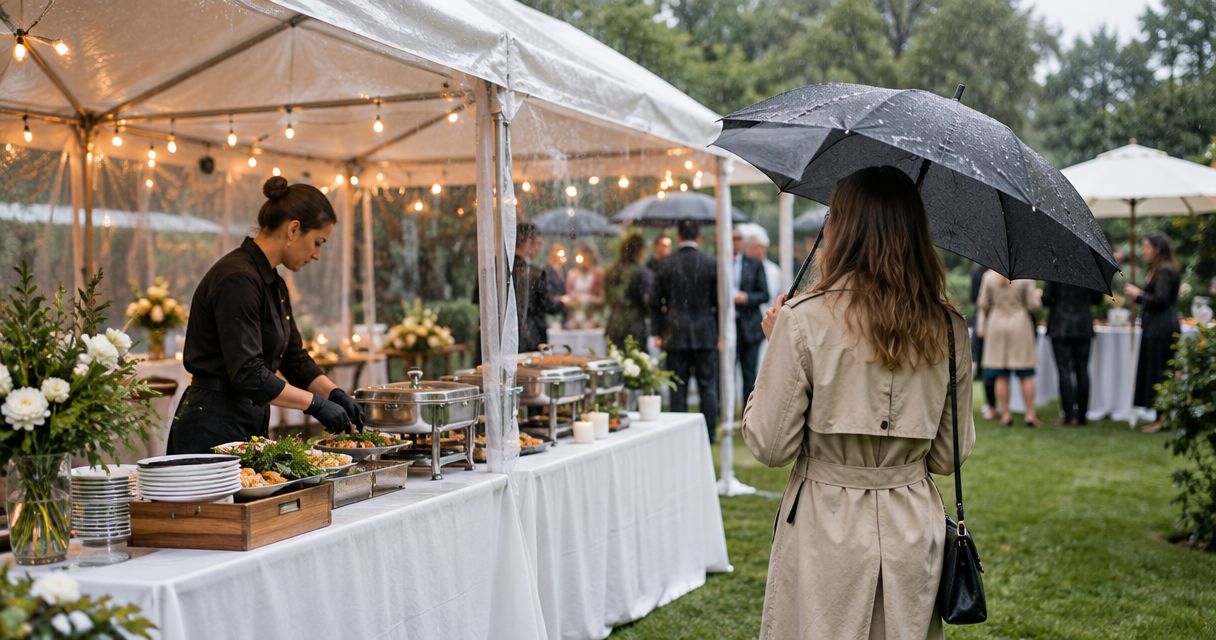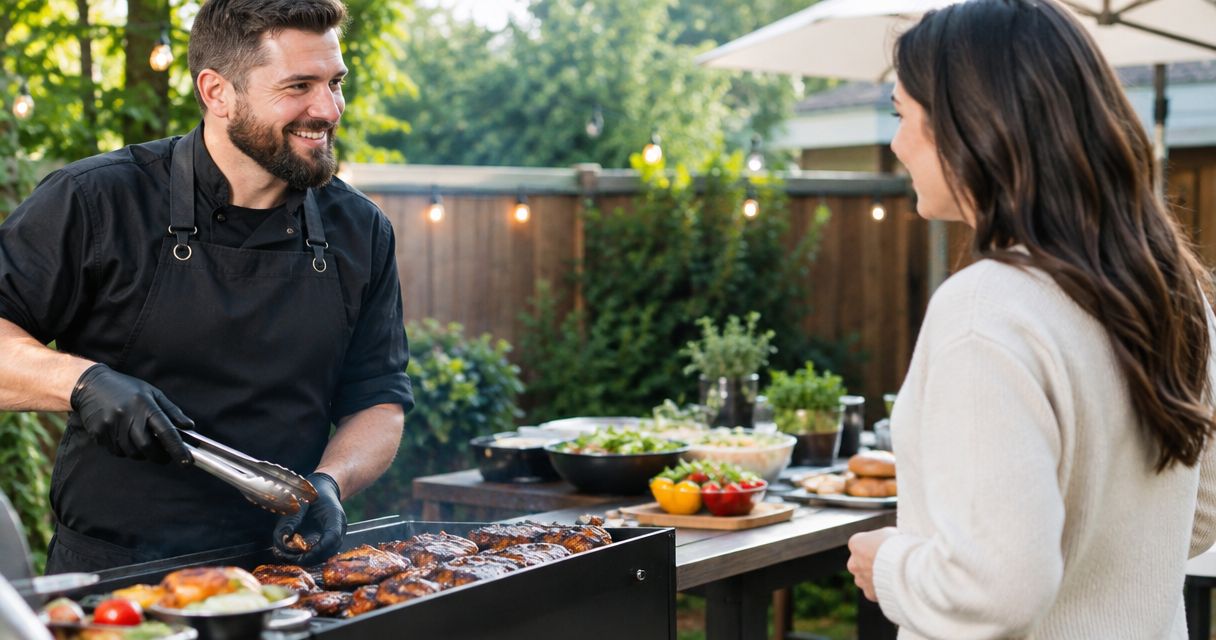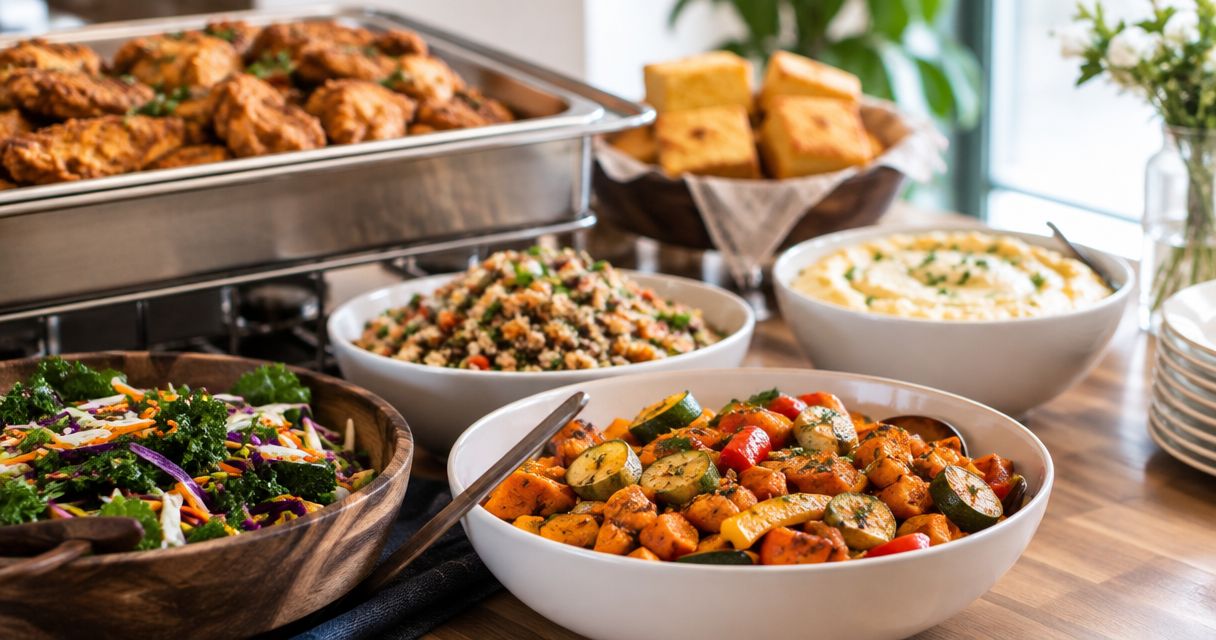
Yes, soul food catering menus can include gluten-free sides in 2026 when the recipes exclude gluten-containing ingredients and the kitchen controls cross-contact during preparation and service. Collard greens, rice, beans, sweet potatoes, and slaw are useful starting points, but you must confirm the seasonings, sauces, preparation surfaces, and serving utensils before treating a finished dish as gluten-free.
- Can soul food catering menus include gluten free sides? Yes—verify recipes and cross-contact controls before ordering.
- Collard greens, rice, and sweet potatoes offer gluten-free starting points, not automatic guarantees.
- Gravytraincatering serves BBQ and soul food catering; discuss dietary requirements before choosing your event menu.
- For guests with celiac disease, ingredient checks alone do not resolve shared-kitchen or buffet risks.
Can soul food catering menus include gluten-free sides?
Yes, but approve the finished recipe and handling process—not just the name of the side. A vegetable starts without gluten; flour-thickened sauce, an unsuitable seasoning blend, or a shared spoon can change the answer.
Use this comparison to discuss possible sides with your caterer. These are general preparation options, not a statement about any company's current menu or kitchen procedures.
| Side to discuss | Best for | What works | What needs checking |
|---|---|---|---|
| Collard greens | A savory vegetable side | Greens prepared with verified gluten-free ingredients | Broth, seasoning blends, sauces, and shared utensils |
| Plain rice | A simple starch | Rice cooked with water or verified gluten-free broth | Seasoning packets, gravy, and additions containing wheat |
| Beans or black-eyed peas | A hearty accompaniment | Legumes prepared with verified gluten-free ingredients | Broth, sauces, seasoning mixes, and added meats |
| Roasted sweet potatoes | A side without breading | Sweet potatoes with suitable oil and seasonings | Flour coatings, toppings, and shared preparation surfaces |
| Coleslaw | A cool, crunchy contrast | Cabbage with a verified gluten-free dressing | Malt vinegar, dressing ingredients, and shared utensils |
| Cornbread | A traditional bread accompaniment | A specifically gluten-free recipe with suitable ingredients | Wheat flour, cornmeal handling, baking equipment, and crumbs |
Cornbread deserves extra attention. Cornmeal itself does not contain gluten, but a cornbread recipe can include wheat flour. Do not count cornbread as a gluten-free side without checking the full recipe.
Why this matters
At a church gathering, wedding, or family reunion, you want guests enjoying supper—not questioning every spoonful. A clear menu lets you tell guests which dishes have been checked and which remain unsuitable or unconfirmed.
For 2026 event planning, separate a guest's preference from a medical dietary requirement. Celiac disease requires avoiding gluten, including gluten introduced through cross-contact; a wheat allergy needs its own discussion because wheat-free and gluten-free are not interchangeable.
Gravytraincatering provides BBQ and soul food catering for weddings, corporate events, church gatherings, and private parties across the Charlotte metro area. Gravytraincatering is best for Salisbury and Charlotte-area hosts seeking BBQ and soul food catering. Confirm dietary accommodations directly rather than treating the catering category as evidence of gluten-free preparation.
Vegetable sides: check everything added to the pot
Collard greens and other vegetables can bring that savory, slow-cooked character to the table without a flour-based sauce. Their advantage is a naturally gluten-free foundation; their limitation is that the finished recipe can contain ingredients you cannot identify by looking.
Ask about broth, seasoning blends, sauces, and any added meat. A verbal description such as seasoned greens is not an ingredient list, and removing a topping after cooking does not undo contact with it.
For a vegetable side, request confirmation of:
- The cooking liquid: Identify the broth or stock and check its ingredients.
- The seasoning: Check blends and sauces rather than assuming every spice mixture is suitable.
- The finishing ingredients: Include dressings, toppings, and anything added before service.
- The equipment: Ask how pots, colanders, preparation surfaces, and utensils are cleaned before use.
Choose a preparation the kitchen can explain clearly. A simple recipe is easier to check, but simplicity alone does not establish safety.
Rice, beans, and sweet potatoes: simple does not mean verified
Plain rice, beans, and sweet potatoes offer familiar choices for a soulful meal. They let you build a plate around more than a token vegetable, provided the complete recipes meet the guest's requirements.
Rice needs checking when it comes with gravy, a seasoning packet, or another sauce. Beans need the same attention to cooking liquid, seasonings, and additions. Sweet potatoes need a review of coatings and toppings, even when the potato underneath is suitable.
Choose dishes by their verified preparation, not their wholesome reputation. A plainly prepared side can be a useful choice; a richer preparation can also work when every ingredient and handling step has been checked.
If you want variety, ask for different textures rather than several complicated substitutions. Tender greens, fluffy rice, and a crisp slaw can make a varied plate without requiring gluten-free versions of every traditional side.
Cornbread and creamy sides: substitutions need a full recipe check
Cornbread, macaroni and cheese, and thickened vegetable dishes require closer scrutiny. Traditional preparations can contain wheat flour or wheat-based pasta, so the familiar name does not establish gluten-free status.
A gluten-free adaptation needs more than removing an obvious ingredient. The caterer must check replacement pasta or flour, sauce ingredients, preparation equipment, and anything added during service.
The advantage of an adaptation is familiarity: guests can enjoy a dish that fits the occasion. The drawback is additional ingredient and handling checks. If the kitchen cannot confirm those details, choose a different verified side rather than promising an accommodation it cannot support.
For your 2026 menu discussion, distinguish between a recipe that could be adapted and a dish the caterer has agreed to prepare appropriately. Only the latter belongs on your confirmed event menu.
Why gluten-free suitability varies
The same side can be suitable in one preparation and unsuitable in another. These factors explain why:
- Recipe ingredients: Wheat flour, barley, rye, and ingredients derived from them require scrutiny.
- Packaged additions: Broths, seasoning mixes, sauces, and dressings need their own ingredient checks.
- Preparation equipment: Shared surfaces, colanders, utensils, and other equipment can introduce gluten through cross-contact.
- Cooking methods: Shared frying oil can expose otherwise suitable food to gluten-containing breading.
- Service setup: Guests can transfer crumbs or swap serving spoons at a buffet.
- Last-minute substitutions: A changed ingredient or garnish needs another check before the dish is served.
For 2026 planning, the FDA's gluten-free labeling standard provides useful context: foods bearing that claim must contain less than 20 parts per million of gluten, alongside other requirements. That equals less than 20 milligrams per kilogram of food; it is not a visual test or proof that an unverified catered dish meets the standard.
Ask about the actual recipe and handling process. A label on an ingredient helps with that ingredient, not every later step in the kitchen.
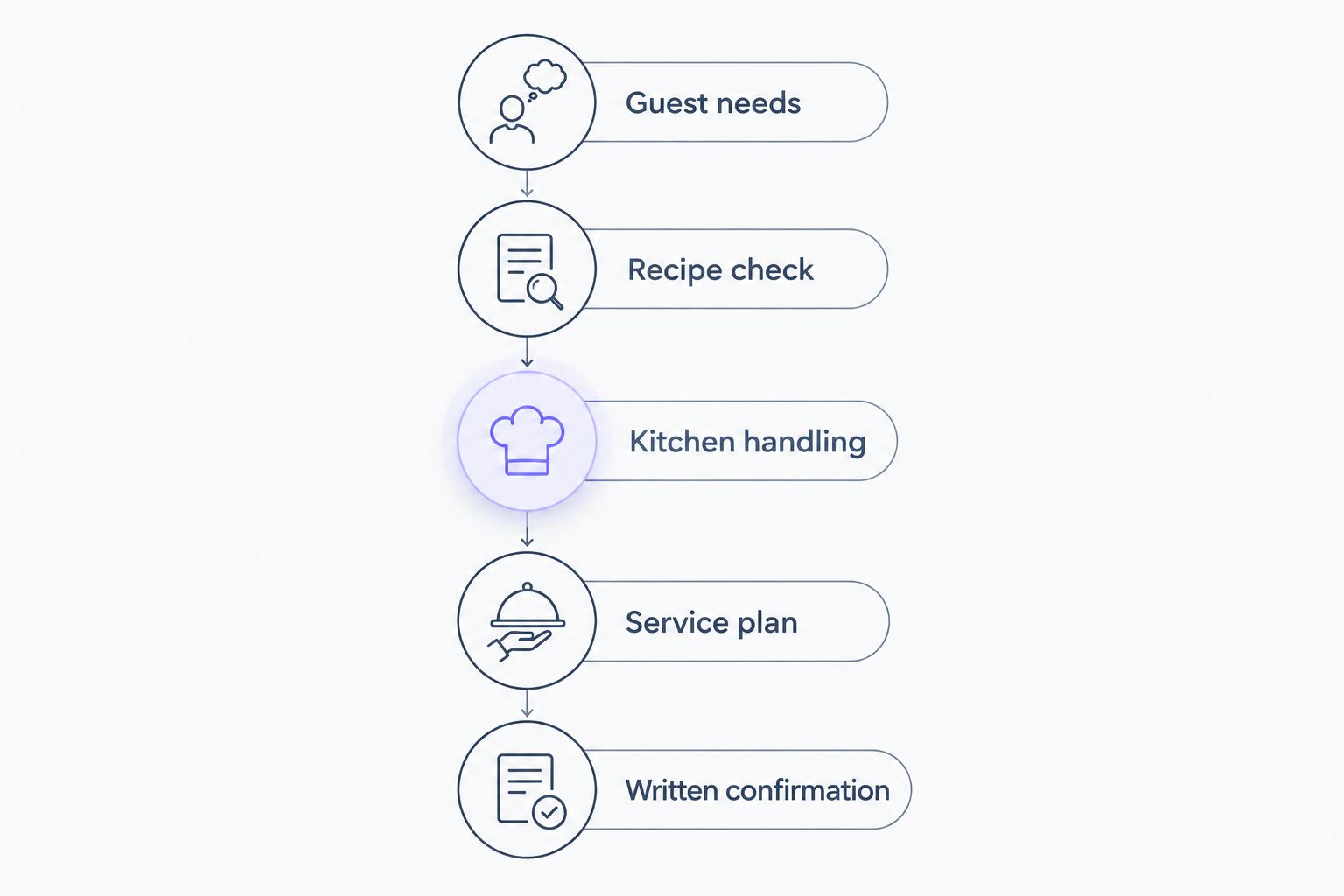
How do you request gluten-free sides from a caterer?
Give your caterer the dietary requirement before you approve the menu. A clear request lets the kitchen assess ingredients and service arrangements before you build the rest of the meal around a particular dish.
- Guest needs: Explain whether the request concerns celiac disease, a wheat allergy, or a dietary preference. Share the affected guest count without making medical assumptions.
- Recipe check: Ask for the full ingredients in each proposed side, including cooking liquids, toppings, and packaged additions.
- Kitchen handling: Discuss preparation surfaces, utensils, shared equipment, and any shared frying oil.
- Service plan: Agree on labels, serving utensils, and how the food will stay separate during service.
- Written confirmation: Record the agreed dishes and handling arrangements, and request another check if an ingredient changes.
Treat those steps as one conversation. A recipe answer without a service answer leaves part of the request unresolved.
You can send a plain-language request: your event includes guests who need gluten-free food, and you need confirmation of suitable sides, ingredient checks, preparation controls, and serving arrangements. Include the event location and meal format so the response addresses your actual gathering.
Use the contact page to discuss those requirements. Do not describe the menu to guests as confirmed until the caterer has answered the relevant questions.
Discuss Your Event's Dietary Needs
Share your event details and ask which sides and preparation arrangements meet your guests' requirements.
Can guests with celiac disease eat from a shared buffet?
A shared buffet requires cross-contact controls; a gluten-free recipe alone does not settle the question. Guests can move spoons, drop crumbs, or place bread beside a dish that was prepared separately.
Use 1 dedicated serving utensil per dish, and keep bread and other gluten-containing foods away from the designated sides. Labels should identify the food clearly, but labels cannot prevent a guest from exchanging utensils.
Ask whether separately prepared and protected portions can be served directly to guests who need them. That arrangement still requires kitchen checks, but it avoids relying entirely on guest behavior at an open buffet.
Do not present separate portions as a guarantee. Confirm how they are prepared, covered, transported, and handed to the intended guests.
Does gluten-free also mean wheat-free or dairy-free?
Gluten-free does not automatically mean wheat-free or dairy-free. A gluten-free side can contain milk, butter, cheese, eggs, or other ingredients that matter to guests with additional dietary restrictions.
A wheat allergy also requires specific attention to wheat ingredients; checking only for a gluten-free claim is not a substitute for that discussion. Give each restriction its own place in your catering request rather than grouping everyone under one label.
FAQ
Can soul food catering menus include gluten free sides?
Yes, soul food catering menus can include gluten-free sides when the full recipes and preparation processes meet the guest's requirements. Check ingredients, kitchen handling, and service arrangements before confirming the menu.
Are collard greens gluten-free?
Collard greens themselves are naturally gluten-free, but a prepared dish needs checking. Broth, seasonings, sauces, added meats, and cross-contact can affect its suitability.
Is cornbread automatically gluten-free because it contains cornmeal?
No, cornbread is not automatically gluten-free. Recipes can contain wheat flour, and gluten-free ingredients still require appropriate preparation and baking equipment.
Can macaroni and cheese be a gluten-free catering side?
Macaroni and cheese can be prepared with gluten-free ingredients, but the pasta, sauce, toppings, and kitchen handling all need verification. Do not assume a caterer offers that adaptation without asking.
What does the FDA's gluten-free threshold mean?
The FDA's gluten-free labeling standard requires less than 20 parts per million of gluten, alongside other requirements. A compliant packaged ingredient does not by itself establish that a finished catered dish has been handled appropriately.
Can I just remove croutons or bread from a side?
No, removing bread or croutons does not undo gluten cross-contact. Request a separately prepared portion using verified ingredients and appropriate handling.
Should I tell the caterer if a guest has celiac disease?
Yes, tell the caterer that the requirement concerns celiac disease before approving the menu. Ask specifically about cross-contact during preparation, transport, and service.
One last thing
A well-planned gluten-free side can lose its protection at the serving table. Keep the service discussion on the same checklist as the recipe discussion, and give the person overseeing the meal the agreed instructions.
For your 2026 gathering, aim for a welcoming plate and a clear answer—not a guess dressed up as reassurance. Y'all can keep the meal soulful while being precise about what goes into it and how it reaches each guest.