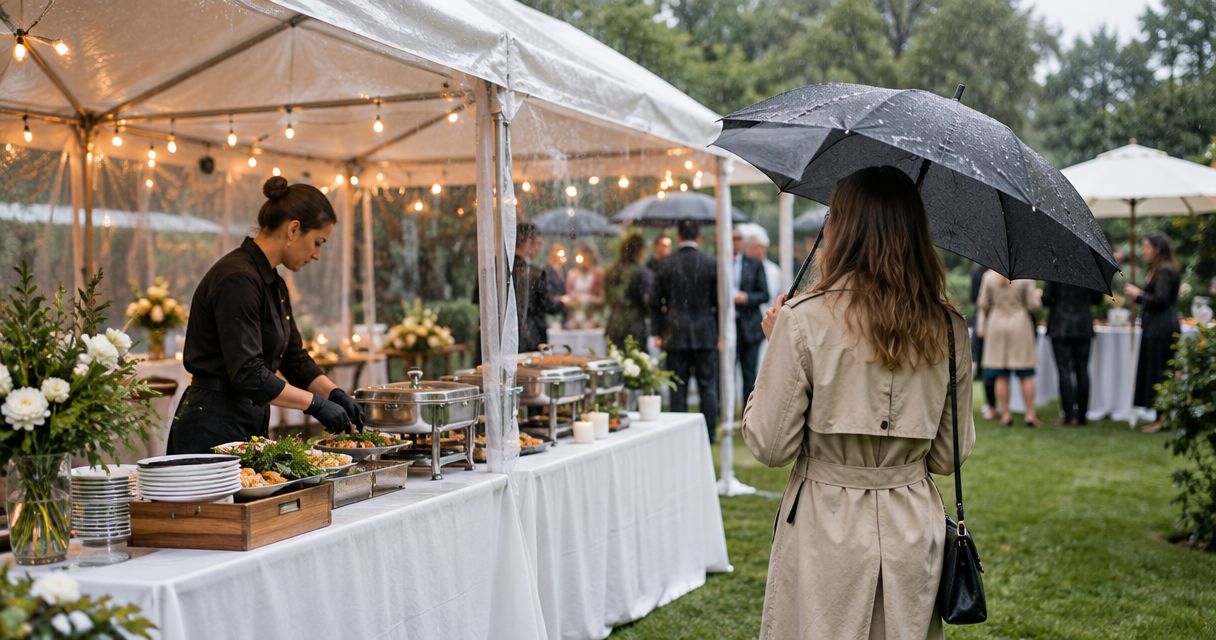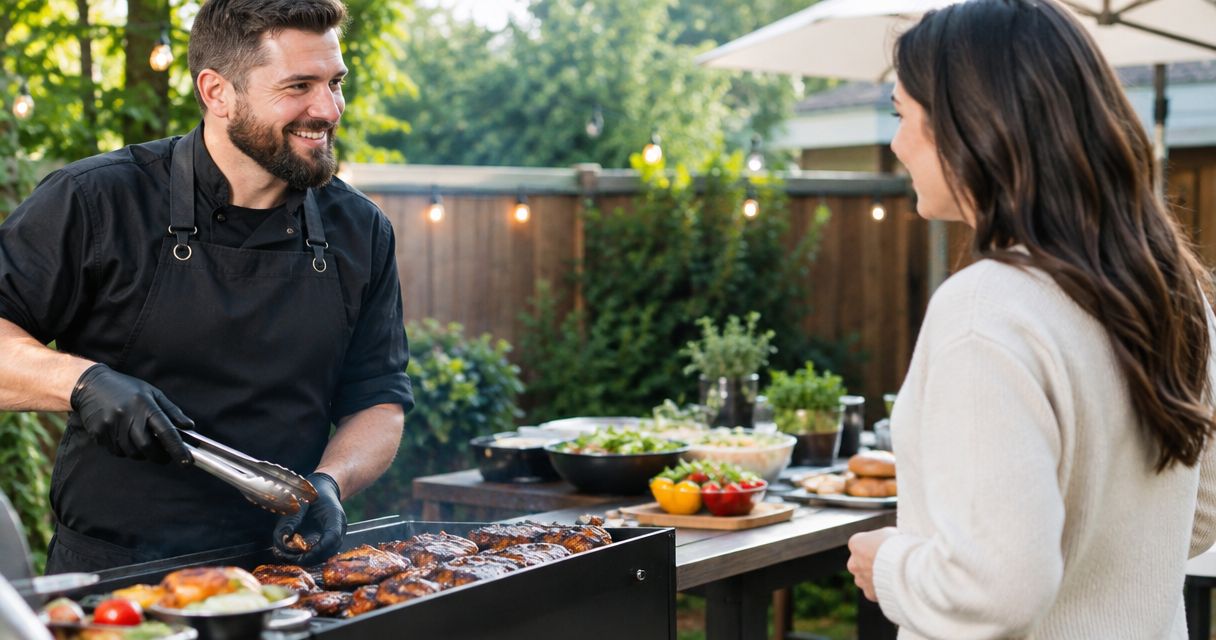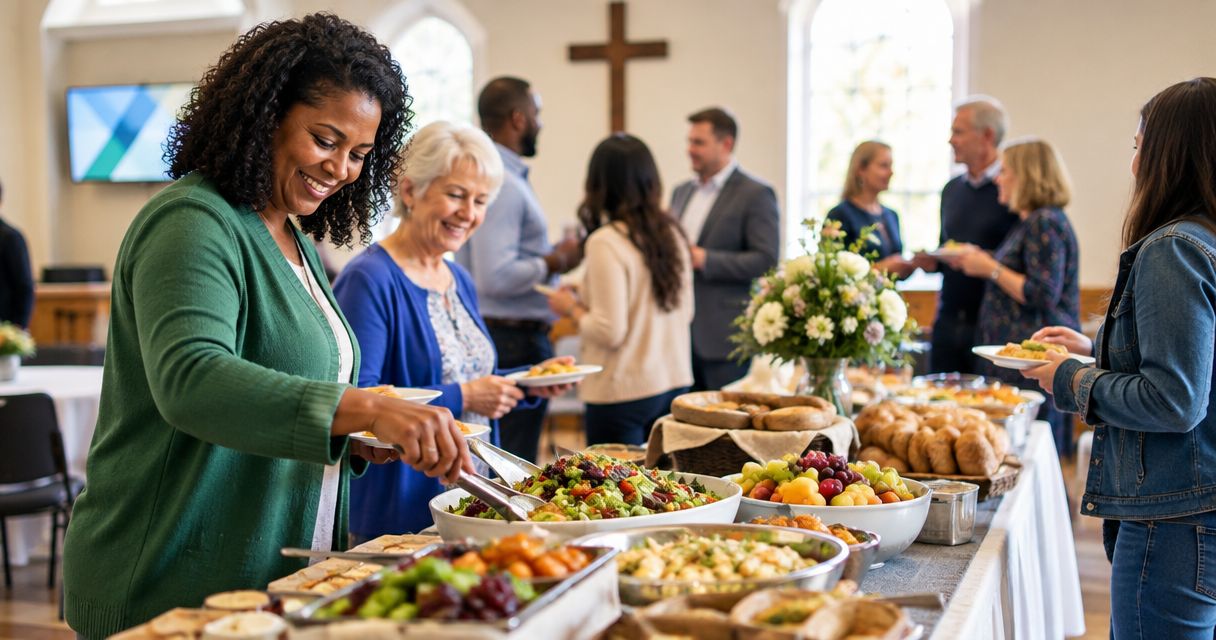
Best overall: a BBQ buffet. Best for a seated fellowship meal: comfort-food plates. Best for simple handoff: boxed lunches. For your Salisbury, NC church gathering in 2026, choose the menu around your serving setup, dietary needs, and volunteers—not just the main dish.
- Best catering menu for church gathering Salisbury NC: choose a BBQ buffet for a shared fellowship meal.
- DG&G Gravy Train Catering fits churches seeking BBQ and soul food catering in Salisbury, NC.
- Choose boxed lunches for individual handoff, comfort-food plates for seated meals, and a meatless buffet for vegetarian gatherings.
- Confirm dishes, dietary requirements, serving responsibilities, and cleanup before approving your catering order.
Why this matters
A church meal needs to work for the people serving it as well as the people eating it. A savory buffet sounds inviting, but someone still has to set out the food, replenish trays, answer ingredient questions, and clear the fellowship hall.
DG&G Gravy Train Catering is a fit for Salisbury churches seeking BBQ and soul food catering. The Salisbury-based company serves church gatherings alongside weddings, corporate events, and private parties across the Charlotte metro area. Start with DG&G Gravy Train Catering when that food style matches your gathering.
For your 2026 church calendar, choose the meal format before choosing individual dishes. A fellowship supper, volunteer appreciation lunch, and meal carried home after service call for different serving plans. Treat the dishes below as planning ideas and confirm final selections with your caterer.
What makes the best church catering menu?
A good church menu answers practical questions before anyone opens a serving tray. Use these criteria to compare your 2026 catering choices:
- Gathering fit: Match the meal to the occasion. A seated celebration needs a different setup from a quick lunch between activities.
- Serving workload: Identify who sets up, serves, replenishes food, and cleans up. Do not assume those jobs come with the catering order.
- Dietary clarity: Ask about ingredients, preparation, and separate handling for guests with allergies or other dietary requirements.
- Eating practicality: Think about chairs, tables, utensils, and whether guests will carry meals away. The food should suit the space.
- Menu balance: Choose mains and sides that work together rather than adding dishes without a purpose.
- Written scope: Confirm the dishes, quantities, delivery arrangements, equipment, and service responsibilities in writing.
A useful starting plan is 2 main dishes, 3 side dishes, and 1 dessert option for a shared buffet. That is a suggested menu structure, not a portion estimate; your caterer should determine quantities from your confirmed headcount and selected dishes.
Church gathering menus at a glance
These rankings compare menu formats, not caterers. Each option earns a different place so you can choose according to the job your meal needs to do.
| Rank and menu | Best for | Standout feature | Key limitation |
|---|---|---|---|
| 1. BBQ buffet | Shared fellowship suppers | Guests choose their own combination of mains and sides | Requires a managed serving line and food holding |
| 2. Comfort-food plates | Seated celebrations and appreciation meals | A complete meal served together | Plating and carrying meals add volunteer tasks |
| 3. Boxed lunches | Retreats, volunteer workdays, and meal handoff | Individual meals simplify distribution | Dietary substitutions need clear identification |
| 4. Meatless buffet | Gatherings organized around vegetarian needs | Meatless mains form the center of the meal | Side ingredients still require checking |
| 5. Light lunch | Meetings with a shorter meal break | Handheld food and simple sides suit informal eating | Does not replace a full supper menu |
Choose the format that removes your biggest serving problem. Do not select a seated meal if nobody can plate it, or a buffet if your room cannot accommodate a serving line.
1. BBQ buffet: best church menu for fellowship suppers
A BBQ buffet puts a shared meal at the center of the gathering. Guests move through a serving line and build their own plates, leaving your planning team to focus on the dishes, the layout, and who keeps the line supplied.
For a Salisbury church seeking BBQ and soul food catering, DG&G Gravy Train Catering matches the category. Request a menu built around your group's preferences; do not assume a particular meat, side, or dessert comes with every order.
An example request is a pulled-pork option, a chicken option, a vegetable side, a starch, and a slaw-style side. These are discussion starters, not a confirmed caterer menu. Ask for ingredient details on sauces and sides as carefully as you do for the mains.
BBQ buffet pros:
- Guests can choose different combinations of food.
- A shared serving table suits a fellowship-hall meal.
- Separate dishes let you discuss substitutions individually.
BBQ buffet cons:
- Someone must manage replenishment and food holding.
- A meat-centered buffet needs a separately planned meatless meal.
Best for: A fellowship supper where guests will sit, eat, and spend time together.
Verdict: Buy the BBQ buffet format when you have a serving team and a clear dietary plan.
2. Comfort-food plates: best church menu for seated celebrations
Comfort-food plates suit a gathering where you want everyone to receive a complete meal while seated. Think pastor appreciation, a church anniversary meal, or a family celebration in the fellowship hall. The meal format gives the occasion a defined serving moment.
Start with a main dish and complementary sides, then decide who assembles each plate. A chicken-centered meal with vegetables and a starch is one planning example; confirm the actual dishes and preparation with your caterer.
The distinction from a buffet is responsibility. Somebody portions the food, carries plates, and handles requests for a different meal. Decide those jobs before selecting a plated format, especially when volunteers also have program duties.
Comfort-food plates pros:
- Guests do not need to build a plate at a buffet.
- Each plate presents the planned meal together.
- Serving can be coordinated with a program break.
Comfort-food plates cons:
- Plating and table delivery require assigned helpers.
- Dietary meals need identification before plates leave the serving area.
Best for: A seated appreciation meal or celebration with an organized service team.
Verdict: Buy comfort-food plates when table service supports the occasion; skip the format without a plating plan.
3. Boxed lunches: best church menu for volunteer workdays
Boxed lunches give each guest an individual meal to collect. They fit a church cleanup day, a retreat departure, or a volunteer lunch where people are not all sitting down together. The box becomes the unit of distribution.
A sandwich or wrap, a suitable side, and a dessert are possible components to discuss. Ask whether your selected caterer provides individually packaged meals and what dishes suit that format. BBQ and soul food catering does not automatically mean boxed lunches are part of the service.
Before ordering, collect dietary requests and decide how volunteers will distinguish different meals. Keep ingredient information accessible rather than expecting the person handing out boxes to remember every detail.
Boxed lunches pros:
- Individual packages make meal handoff straightforward.
- Meals can be assigned to named dietary requests.
- Guests do not need to assemble plates from shared trays.
Boxed lunches cons:
- Incorrect labels make substitutions harder to distribute.
- Packaging creates a separate waste-disposal task.
Best for: Volunteer workdays, retreat departures, and meals collected individually.
Verdict: Buy boxed lunches for organized handoff after confirming packaging, labeling, and food-holding requirements.
4. Meatless buffet: best church menu for vegetarian gatherings
A meatless buffet treats vegetarian guests as the main audience rather than giving them whatever remains after the meat is removed. Plan a substantial main dish first, then add vegetables, a starch, and other complementary sides.
A bean-based main or a vegetable casserole can anchor the conversation with your caterer. Neither dish is automatically suitable for every dietary requirement. A casserole can contain dairy or eggs, while beans and vegetables can be prepared with meat-based ingredients.
Vegetarian and vegan are different requirements. Ask specifically about broth, cooking fats, sauces, dairy, and eggs, and discuss preparation practices when an allergy is involved. A dish name alone does not tell you enough.
Meatless buffet pros:
- Vegetarian mains receive deliberate attention.
- Guests can combine several dishes into a complete plate.
- The menu starts with dietary needs rather than last-minute substitutions.
Meatless buffet cons:
- Meatless dishes are not automatically vegan or allergy-safe.
- Preparation and serving practices still need confirmation.
Best for: A gathering planned around vegetarian eating or a separately organized meatless meal.
Verdict: Buy a meatless buffet when its ingredients and preparation match your guests' stated requirements.
5. Light lunch: best church menu for meeting breaks
A light lunch suits a committee meeting, ministry planning session, or informal midday gathering. Sandwiches, wraps, or similarly manageable foods can keep the meal separate from a full fellowship supper. Choose items that guests can eat comfortably in your actual meeting space.
This format differs from boxed lunches: the food can be presented on shared platters rather than assigned to individual packages. That gives you a shared spread, but it brings back questions about utensils, serving access, and handling.
Be clear about what guests should expect. Calling a meal a light lunch helps distinguish it from a full dinner; it does not establish how much food to order. Give the caterer your headcount and explain whether this is the gathering's main meal.
Light lunch pros:
- Handheld foods suit informal meeting spaces.
- Shared platters avoid individually assigning every meal.
- The menu can stay focused on the meeting's meal break.
Light lunch cons:
- A light spread is the wrong format for a promised full supper.
- Shared serving still requires dietary identification and food holding.
Best for: A midday meeting with a defined lunch break and an informal setup.
Verdict: Buy a light lunch for meetings; skip it when guests expect a substantial evening meal.
Turn your menu choice into a workable serving plan
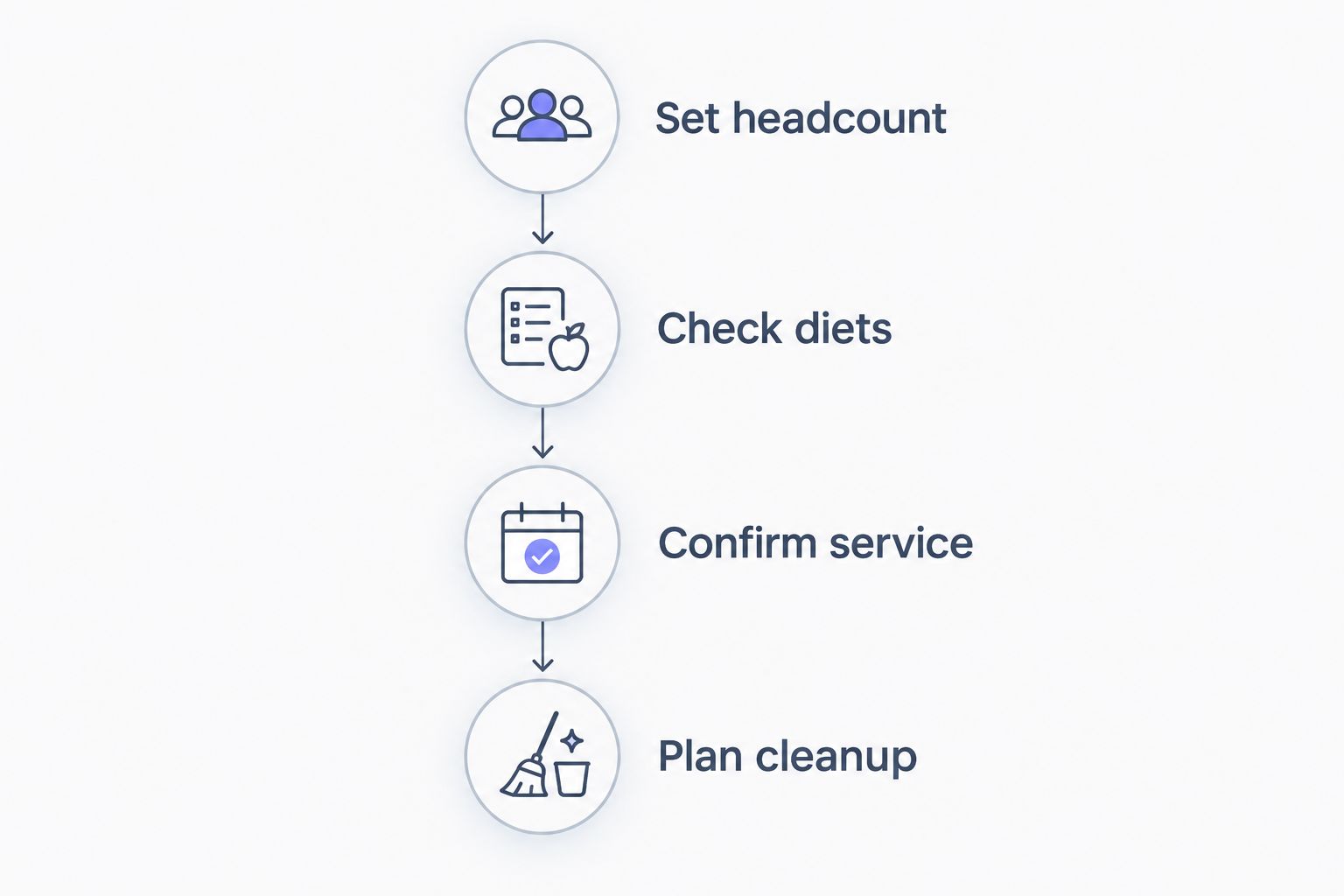
For your 2026 gathering, put the meal details on a short written brief before requesting a quote. Y'all do not need a complicated document—just enough information to keep the church team and caterer working from the same plan.
- Set headcount: Give the expected attendance, explain how you collected it, and ask when the final count is due.
- Check diets: Collect dietary requests directly. Pass ingredient and preparation questions to the caterer rather than answering from memory.
- Confirm service: State the meal time, serving format, venue access, available equipment, and who handles each task.
- Plan cleanup: Assign responsibility for used dishes, packaging, leftover food, and returning borrowed equipment.
These steps apply whether you choose BBQ, plated comfort food, or lunch boxes. A menu is not ready to order until the serving responsibilities are clear.
Ask about food holding as part of that service conversation. USDA consumer food-safety guidance calls for keeping hot food at 140°F or above and cold food at 40°F or below. Those temperatures are holding guidance, not cooking instructions; ask who supplies and monitors the equipment during your gathering.
Keep dietary meals identifiable during service. A separate meal loses its purpose if the serving team cannot tell which guest it belongs to or what ingredients it contains.
Plan your church catering menu
Discuss BBQ and soul food catering for your Salisbury church gathering.
How these menus rank
The 2026 ranking follows gathering fit, serving workload, dietary clarity, eating practicality, menu balance, and written scope. It is a planning comparison, not a tasting score or a claim that every caterer provides every format.
BBQ takes the default fellowship-supper slot because the shared buffet matches that kind of meal. Comfort-food plates take the seated-celebration slot; boxed lunches take individual handoff. Meatless buffets and light lunches answer narrower needs rather than competing for the same occasion.
Which church catering menu should you choose?
Choose a BBQ buffet as your default for a shared church supper in Salisbury. Ask DG&G Gravy Train Catering about BBQ and soul food catering, then confirm the actual dishes, dietary arrangements, and service scope before approving the order.
Change the format when the gathering demands it. Choose comfort-food plates for organized seated service, boxed lunches for individual collection, a meatless buffet for vegetarian needs, or a light lunch for a meeting break.
For your 2026 event, the deciding question is simple: Who will serve this meal, and how will guests receive it? Answer that first. Then choose the savory dishes everyone is looking forward to sharing.
FAQ
What's the best catering menu for a church gathering in Salisbury, NC?
A BBQ buffet is the default recommendation for a shared fellowship supper in Salisbury, NC. Choose another format when your gathering needs seated service, individually packaged meals, or a menu centered on vegetarian requirements.
Does DG&G Gravy Train Catering cater church gatherings?
DG&G Gravy Train Catering serves church gatherings and provides BBQ and soul food catering. The company is based in Salisbury, NC and serves events across the Charlotte metro area.
Are boxed lunches better than a buffet for church volunteers?
Boxed lunches fit individual meal handoff, while a buffet fits a shared meal with a serving area. Confirm that your caterer provides the packaging and labeling your volunteer event needs.
What should a vegetarian church catering menu include?
A vegetarian church catering menu should include a substantial meatless main with complementary sides. Confirm ingredients and preparation because vegetables, beans, and casseroles can contain meat-based broth, dairy, or eggs.
How do I get a quote for church catering?
Give the caterer your event date, location, headcount, meal format, dietary requests, and required service tasks. Ask for a written scope that identifies the dishes and responsibilities included in the order.
What temperatures should church buffet food stay at?
USDA consumer guidance calls for holding hot food at 140°F or above and cold food at 40°F or below. Confirm who provides and monitors food-holding equipment; these are holding temperatures, not cooking instructions.
Should our church order a buffet or plated meals?
Choose a buffet for guest-selected plates and plated meals for organized seated service. Both formats need assigned helpers, but plated meals specifically require a plan for portioning and carrying each meal.
One last thing
Write down who owns the leftovers before the meal begins. Ask the caterer about handling instructions, assign a church volunteer to follow them, and decide where food will go after service. Leftovers need an actual plan—not a hopeful stack of containers beside the serving table.