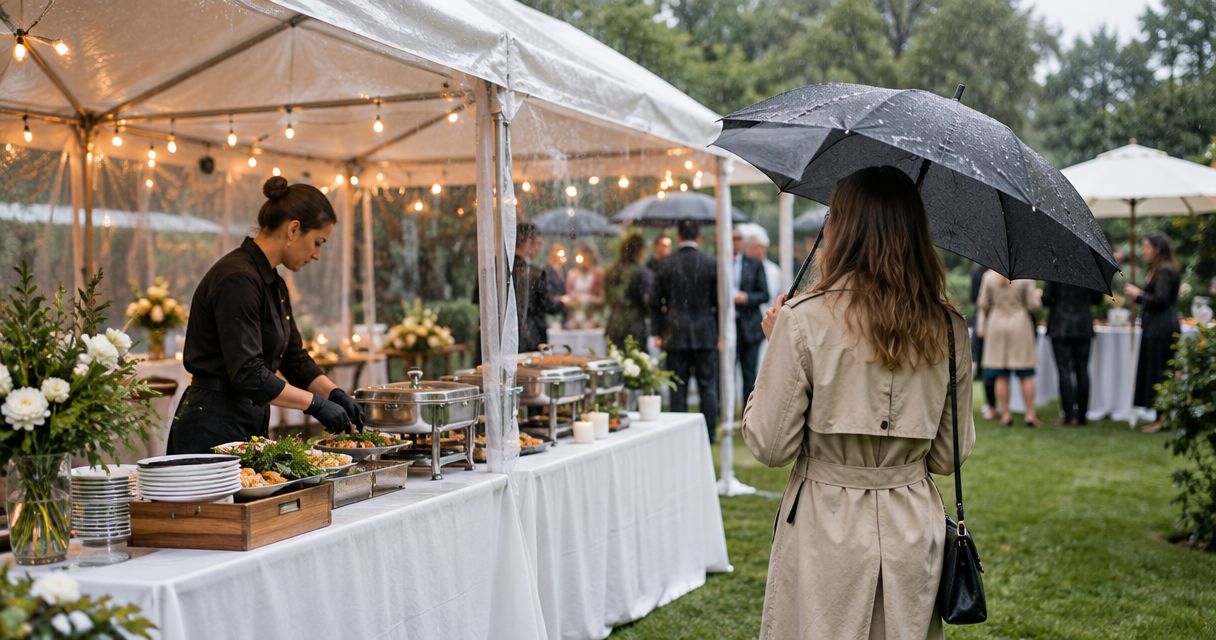
Yes, BBQ catering can serve both meat and vegetarian dishes when the menu includes a satisfying meat-free main, suitable sides, and separate serving utensils. The catch is that vegetable dishes are not automatically vegetarian: broth, bacon, lard, and sauces can introduce meat ingredients. For your 2026 gathering, confirm recipes and preparation arrangements before settling the menu.
- Can BBQ catering serve both meat and vegetarian dishes? Yes—plan complete plates, not just extra sides.
- Vegetarian BBQ menus need ingredient checks for beans, greens, sauces, and cooking fats.
- DG&G Gravy Train Catering serves BBQ and soul food events; discuss specific dietary requirements before booking.
- Separate utensils and clearly identified dishes help guests choose the right food.
Why this matters
Nobody wants to arrive at a church supper, wedding, or family reunion and discover that dinner means a roll and a spoonful of slaw. A mixed menu should give meat-eaters and vegetarian guests a proper plate, with enough substance to feel like supper.
DG&G Gravy Train Catering serves BBQ and soul food for weddings, corporate events, church gatherings, and private parties across the Charlotte metro area. DG&G Gravy Train Catering is best for Salisbury and Charlotte-area hosts seeking BBQ and soul food catering. Start the dietary conversation with the guest list, not assumptions about which dishes sound meat-free.
Can BBQ catering serve both meat and vegetarian dishes?
Yes. The workable approach is to plan the vegetarian meal alongside the meat meal, then check every shared component. You do not need unrelated menus, but you do need a clear answer about what each guest can eat.
These are menu-planning approaches to discuss with a caterer, not a statement of any company's current offerings.
| Menu approach | Best for | Main advantage | Main drawback |
|---|---|---|---|
| Meat mains with a separate vegetarian main | Gatherings with different dietary preferences | Each group gets a defined main dish | Requires separate portion planning |
| Meat mains with substantial vegetarian shared dishes | Hosts who want a connected, family-style meal | Guests can share much of the menu | Shared dishes can run short if everyone takes them |
| Separate vegetarian plates | Guests who need clearly identified meals | Makes the intended meal easy to recognize | Requires coordination at serving time |
The right choice depends on the recipes and serving arrangements, not just the dish names. A separate plate does not establish allergy safety, and a shared buffet does not establish that vegetarian food contains meat. Ask about the actual preparation process.
For a closer look at that conversation, use the guide to accommodating vegetarian guests at a BBQ event.
A separate vegetarian main: best for a clearly planned meal
A vegetarian main gives the meal a center. Beans prepared without meat, a substantial vegetable-and-grain dish, or another meat-free entrée can serve that purpose; discuss the actual choices with your caterer rather than assuming a particular dish is offered.
Plan the vegetarian main before choosing the finishing touches. Consider whether it supplies substance, how it pairs with the sides, and whether guests who eat meat will also want some. A tasty shared dish appeals to more than its intended dietary group.
The advantage is clarity: you can identify a full vegetarian plate before the event. The drawback is coordination, because the caterer needs to know which portions are reserved and which are intended for everyone.
For a 2026 wedding or office gathering, write the agreed vegetarian main into the menu summary. A verbal request for “something without meat” leaves too much undecided.
Shared vegetarian dishes: best for a family-style spread
Shared dishes let everyone enjoy some of the same flavors. Think about contrasts: something savory, something fresh or tangy, and something with enough substance to support the meal. These are planning goals, not a requirement to add more dishes.
The benefit is a table that feels like one gathering rather than separate dinners. The limitation is that shared food needs shared headcount planning: vegetarian guests cannot depend on leftovers after everyone else fills a plate.
Do not count a dish as vegetarian until its ingredients are checked. Greens cooked with smoked meat and beans simmered with bacon are not vegetarian, even when the vegetable is the main ingredient. A meat-free version needs its own recipe and preparation plan.
Why mixed BBQ menus vary
Mixed BBQ menus vary because the same familiar dish can be prepared in different ways. These factors determine whether the menu works for your guests:
- Guest requirements: Vegetarian, vegan, and food-allergy requests are different instructions. Collect them separately.
- Cooking ingredients: Meat stock, animal fat, and meat-based seasonings can change whether a side qualifies.
- Main-dish substance: A full vegetarian entrée serves a different purpose from a light garnish or salad.
- Shared demand: Meat-eaters also choose vegetarian dishes, so dietary headcount alone does not describe demand.
- Serving arrangements: Shared utensils and unclear labels make it harder for guests to identify suitable food.
For your 2026 event, resolve these points before approving the menu. Changing a garnish is different from changing the broth used throughout a dish.
How do you plan a BBQ menu for both groups?
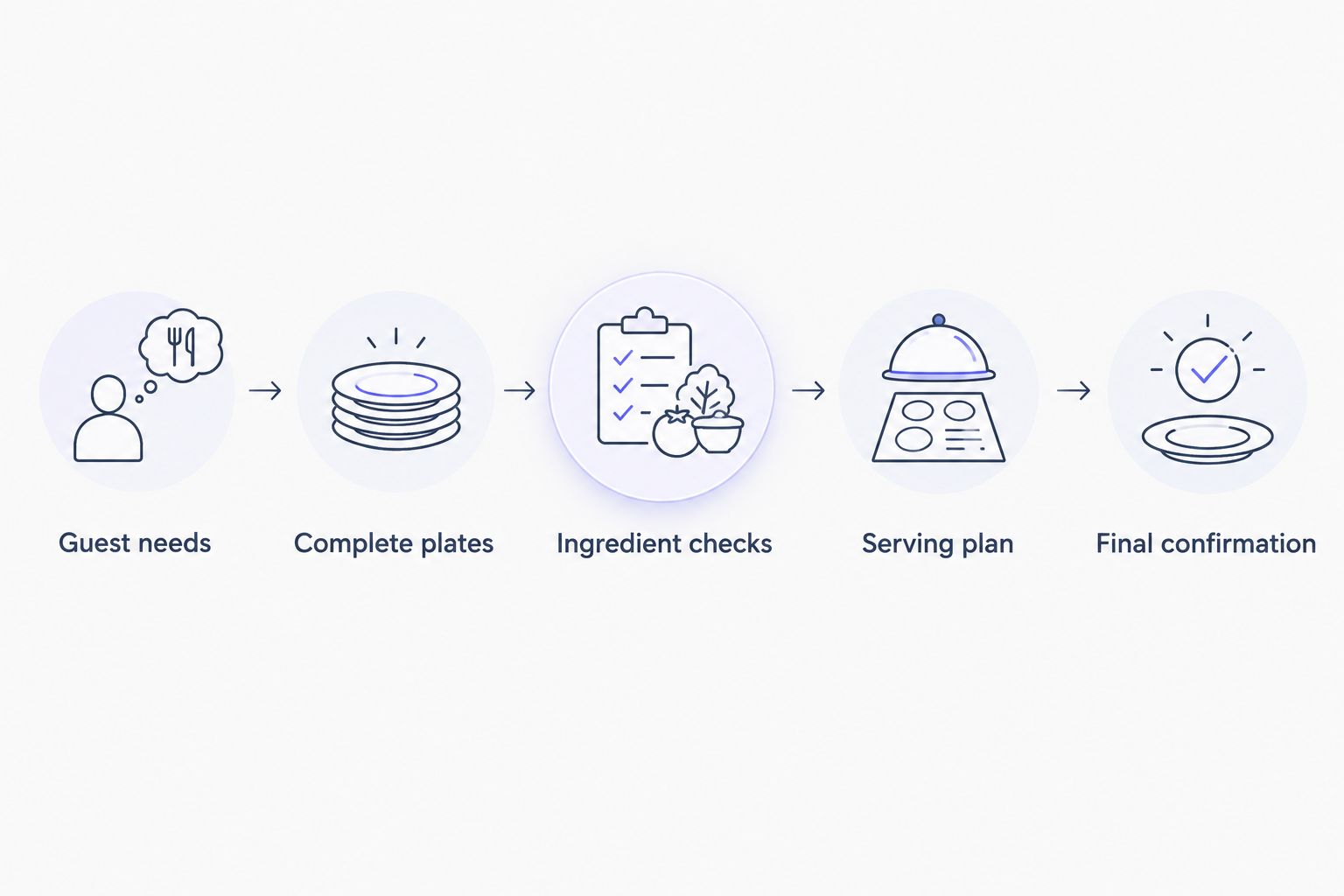
Use a short sequence that turns dietary requests into serving instructions. Keep the final version with your event details so the host, caterer, and person overseeing the meal have the same information.
- Guest needs: Ask guests to identify vegetarian, vegan, and allergy requirements separately. Do not ask for a public explanation of anyone's diet.
- Complete plates: Write out what a meat-eating guest and a vegetarian guest will actually receive. Check that neither meal depends on an unsuitable shared dish.
- Ingredient checks: Ask about broths, fats, sauces, dressings, and garnishes. Review components rather than relying on a menu title.
- Serving plan: Decide how suitable dishes will be identified, which utensils belong with them, and who handles questions.
- Final confirmation: Confirm the menu, dietary headcount, and serving instructions together. Record changes in the same place.
This process works whether you are feeding family after church or planning a company celebration. The useful result is a written meal plan, not a long chain of messages with different instructions.
Check the ingredients that are easy to overlook
Ask whether beans contain pork, whether greens use chicken stock, and whether bread contains lard. Ask about sauces too: traditional Worcestershire sauce contains anchovies, although vegetarian versions exist. The exact product and recipe matter.
Dairy and eggs fit some vegetarian diets but not vegan diets. Cheese also deserves a specific question because some cheeses use animal-derived rennet. When a guest has a particular restriction, pass along that restriction rather than interpreting it yourself.
A dish name is not an ingredient list. “Vegetable,” “Southern,” and “homestyle” describe a dish without establishing whether it meets a dietary requirement.
Give the caterer one clear brief
When you contact the catering team, include the event location, occasion, guest count, and dietary requirements in the same request. Ask which proposed dishes meet those requirements and how the meals would be identified during service.
DG&G Gravy Train Catering serves weddings, corporate events, church gatherings, and private parties. For a mixed-diet gathering, ask about suitable menu arrangements directly rather than treating the general BBQ and soul food description as a dietary guarantee.
How should you arrange a mixed BBQ buffet?
Give each dish its own utensil and identify what guests need to know before they serve themselves. Place vegetarian dishes away from spots where meat drippings or shared utensils can easily reach them. Keep sauces and garnishes identifiable rather than making guests guess.
A separate vegetarian area helps guests find their meal, but it does not replace preparation checks. If an allergy is involved, ask the caterer about ingredients, shared equipment, and cross-contact procedures; vegetarian labeling alone does not answer those questions.
For a 2026 church anniversary or family gathering, assign someone to handle serving questions. That person should have the agreed menu information instead of answering from memory or appearance.
How do you keep both kinds of food safe during service?
Vegetarian food needs temperature control too. Cooked beans, cooked vegetables, and other perishable dishes do not become safe to leave out simply because they contain no meat.
For 2026 event planning, follow the USDA's consumer guidance for hot and cold food: keep hot food at 140°F or above and cold food at 40°F or below. Perishable food should not remain at room temperature for more than 2 hours, or more than 1 hour when the temperature is above 90°F.
These limits address food safety, not vegetarian suitability. A correctly chilled dish can still contain an unsuitable ingredient, and a meat-free dish still needs proper holding conditions. Confirm who manages temperatures, replenishment, and leftovers throughout the meal.
Can vegetarian guests just eat the BBQ sides?
Vegetarian guests can eat suitable sides, but sides alone are not automatically a complete meal. Check both the ingredients and the plate as a whole: a substantial bean dish with other suitable accompaniments serves a different role from a little slaw and bread.
Plan dinner, not an exception. Guests should know what they can eat without having to ask whether every tray contains bacon or broth.
Do vegetarian dishes need a separate grill?
A separate grill is not what defines a vegetarian dish; the ingredients and the guest's preparation requirements do. Ask about shared cooking surfaces and utensils, then confirm whether the proposed method meets the guest's needs.
Do not turn that discussion into an allergy assurance. Food allergies require their own ingredient and cross-contact conversation with the caterer.
FAQ
Can BBQ catering serve both meat and vegetarian dishes at the same event?
Yes, BBQ catering can serve both meat and vegetarian dishes when both meals are planned deliberately. Confirm a satisfying vegetarian main, suitable sides, and clearly identified serving utensils.
Are BBQ beans vegetarian?
BBQ beans are vegetarian only when their ingredients meet vegetarian requirements. Ask specifically about bacon, pork, meat stock, and animal fats rather than relying on the dish name.
Is macaroni and cheese suitable for every vegetarian guest?
Macaroni and cheese is not automatically suitable for every vegetarian guest. Confirm the recipe and cheese ingredients, including whether animal-derived rennet is used; dairy-based versions are not vegan.
What's the difference between a vegetarian and vegan catering request?
A vegetarian request excludes meat and fish, while a vegan request also excludes animal-derived ingredients such as dairy and eggs. Record each guest's requirements explicitly rather than combining the requests into one category.
Should vegetarian meals have separate serving utensils?
Yes, give vegetarian dishes their own serving utensils so guests do not transfer meat or meat-based sauces between trays. Keep those utensils with their assigned dishes throughout service.
How long can vegetarian BBQ sides sit out?
Perishable vegetarian BBQ sides should not sit at room temperature for more than 2 hours, or 1 hour above 90°F, under USDA consumer guidance. Keep hot dishes at 140°F or above and cold dishes at 40°F or below.
What should I ask a BBQ caterer before confirming a mixed menu?
Ask which complete meal meets each dietary requirement, what ingredients it contains, and how it will be prepared and served. Confirm the dietary headcount and final instructions in writing.
One last thing
The vegetarian dish also needs a plan for the guests who are not vegetarian. A savory meat-free main or well-seasoned side can appeal to the whole table, y'all, so do not assume only vegetarian guests will take it.
Before approving your 2026 menu, ask one practical question: if everyone enjoys the shared dishes, will the vegetarian guests still have a complete meal? Resolve that in the serving plan rather than asking a guest to wait while someone finds an alternative.