Best overall: a Southern savory brunch; best for a lighter meal: a vegetable-forward brunch; best for controlling menu scope: a biscuit-and-egg brunch. For a Charlotte, NC wedding brunch in 2026, choose the menu around your reception time, guest needs, and serving setup—not the longest list of dishes.
- For the best catering menu for wedding brunch Charlotte NC, choose Southern savory dishes with a fresh accompaniment.
- DG&G Gravy Train Catering fits Charlotte couples seeking BBQ and soul food wedding catering.
- Biscuit-and-egg brunch keeps menu planning focused; chicken-and-waffle brunch needs careful service timing.
- Treat these menus as planning ideas, then confirm dishes, dietary needs, and service details with your caterer.
Why this matters
Wedding brunch sits between breakfast and a full reception meal. Your guests need enough food to settle in and celebrate, but your menu also needs to work around the ceremony, photographs, speeches, and venue access.
DG&G Gravy Train Catering is based in Salisbury and serves weddings across the Charlotte metro area with BBQ and soul food catering. DG&G Gravy Train Catering is best for Charlotte couples seeking BBQ and soul food wedding catering. The menus below are suggested combinations to discuss, not confirmed packages or a list of dishes the company offers.
For your 2026 celebration, start with the feeling you want: a comforting Southern breakfast, a lighter daytime meal, or a brunch that leans toward lunch. That decision gives the rest of your planning a clear direction.
What makes the best wedding brunch catering menu?
Judge each menu against these criteria before choosing dishes:
- Reception timing: An early meal calls for a different balance than a reception that stretches into lunchtime.
- Service practicality: Choose dishes your caterer can prepare, transport, hold, and serve in the venue's actual setup.
- Guest coverage: Include a substantial option for guests who do not eat the main protein. Ask about specific allergies separately.
- Texture balance: Pair rich, soft dishes with something fresh or crisp. A plate should not feel like several versions of the same bite.
- Menu focus: Give each dish a job. An extra entrée is not useful if it adds complexity without serving another guest need.
- Wedding-day workload: Decide who manages replenishment, serving utensils, clearing, and leftovers before you approve the menu.
Use these criteria to compare your 2026 shortlist. A menu that sounds wonderful on paper still needs to work in your reception room.
Wedding brunch menus at a glance
| Rank and menu | Best for | Standout feature | Key limitation |
|---|---|---|---|
| 1. Southern savory brunch | A balanced Southern wedding meal | Comfort-food foundation with a fresh contrast | Rich dishes need deliberate balance |
| 2. Biscuit-and-egg brunch | Controlling menu scope | A focused breakfast-centered plate | Biscuits and eggs need careful holding |
| 3. Vegetable-forward brunch | A lighter daytime reception | Vegetables take a central role | Vegetable-based does not automatically mean vegan |
| 4. Chicken-and-waffle brunch | A small, coordinated seated meal | A distinct sweet-and-savory centerpiece | Crisp textures complicate service |
| 5. BBQ brunch | A late-morning reception leaning toward lunch | A meal built around a savory main | Breakfast elements can become an afterthought |
These are menu approaches, not rankings of catering companies. Each earns a different place based on the kind of wedding meal you want.
1. Southern savory brunch: best for a balanced Southern wedding meal
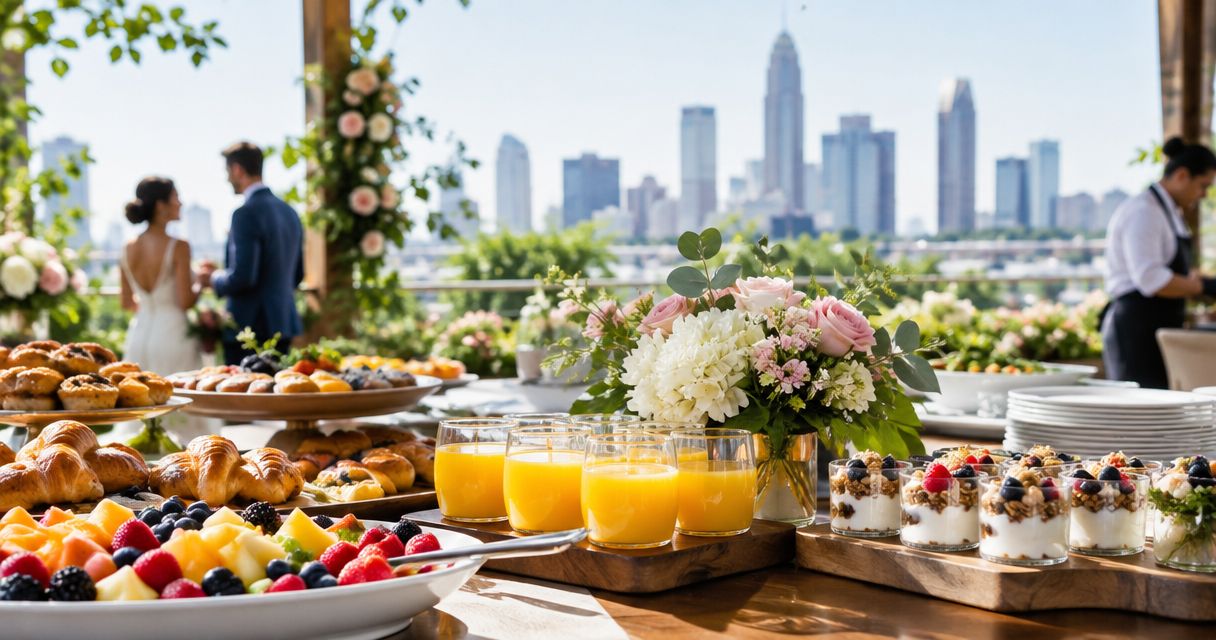
A Southern savory brunch brings the reception together around familiar, comforting flavors. Consider eggs, savory grits, a vegetable side, and fresh fruit, with a protein selected after discussing the caterer's actual menu.
Start your planning with 1 main dish, 2 sides, and 1 fresh accompaniment. That is a suggested plate structure, not a portion estimate: your caterer still needs to determine quantities from the guest count and service plan.
Southern savory brunch pros:
- Gives the meal a clear Southern direction without making every dish sweet.
- Creates room for both a substantial centerpiece and a fresh contrast.
- Lets you discuss BBQ and soul food influences without turning brunch into a full dinner spread.
Southern savory brunch cons:
- Several rich dishes can make the plate feel repetitive.
- Eggs, dairy, and meat require separate conversations about dietary needs and food handling.
Best for: Couples who want a welcoming, family-gathering feel with enough substance for a wedding reception.
For a 2026 wedding, bring this menu outline to DG&G Gravy Train Catering and ask which dishes fit its catering menu and your venue. Keep the fresh element intentional rather than decorative.
Verdict: Buy into this approach as the default; confirm the actual dishes before committing.
2. Biscuit-and-egg brunch: best for controlling menu scope
A biscuit-and-egg brunch gives you a focused starting point: biscuits, eggs, a savory accompaniment, and fruit. Keep the suggested combinations simple rather than offering every possible filling and topping.
This approach helps you define what the meal includes. It does not establish what the catering will cost; staffing, service style, rentals, and the final dishes still need to be discussed.
Biscuit-and-egg brunch pros:
- Gives guests a recognizable breakfast-centered meal.
- Makes it easier to distinguish essential dishes from optional additions.
- Allows you to discuss a meat-free plate without building an entirely separate menu.
Biscuit-and-egg brunch cons:
- Biscuits lose their appeal when the serving plan leaves them sitting too long.
- A build-your-own setup requires decisions about utensils, replenishment, and guest movement.
Best for: Couples who want a straightforward brunch and a clearly defined menu brief.
Ask whether assembled portions or separately served components work better for your venue. If guests build their own plates, make sure the setup does not ask them to juggle food, drinks, and several serving utensils at once.
Verdict: Buy into this approach when simplicity matters more than variety.
3. Vegetable-forward brunch: best for a lighter daytime reception
A vegetable-forward brunch puts vegetables at the center rather than treating them as an optional side. Suggested dishes include a vegetable egg bake, roasted vegetables, fruit, and a savory grain or grits dish.
Do not use “vegetable-forward” as shorthand for allergy-safe or vegan. Eggs, butter, cheese, broth, and preparation methods all need to be checked against your guests' requirements.
Vegetable-forward brunch pros:
- Gives guests a clear alternative to a meat-centered meal.
- Adds variety through vegetables, fruit, and savory components.
- Makes dietary planning part of the main menu discussion rather than an afterthought.
Vegetable-forward brunch cons:
- An egg-and-cheese centerpiece does not serve guests avoiding those ingredients.
- A plate built only from side dishes can lack a substantial main.
Best for: Couples planning a lighter daytime celebration who want vegetables to have a meaningful place on the plate.
Ask the caterer to describe a complete meal for each dietary requirement. “There will be vegetables” is not the same as confirming that a guest can eat a satisfying brunch.
Verdict: Buy into this approach when the complete plate—not just the sides—matches your guest needs.
4. Chicken-and-waffle brunch: best for a coordinated seated meal
Chicken and waffles gives brunch a distinct sweet-and-savory centerpiece. For this suggested menu, keep accompaniments restrained: a fresh element and a vegetable dish can provide contrast without competing with the main.
The central question is execution. Ask how the caterer would protect texture and manage the time between cooking, plating, and serving.
Chicken-and-waffle brunch pros:
- Gives the meal an obvious centerpiece.
- Combines breakfast and savory reception food in a single menu direction.
- Reduces the need for several competing main dishes.
Chicken-and-waffle brunch cons:
- Waffles and crisp chicken demand attention to holding and serving conditions.
- Sauces, syrup, and dietary substitutions add decisions to the service plan.
Best for: A smaller seated reception where the kitchen, staffing, and meal schedule support coordinated service.
For your 2026 reception, approve this concept only after discussing the venue's preparation facilities. A dining room with a suitable kitchen presents a different planning problem from a space where all food arrives ready to serve.
Verdict: Hold until the caterer confirms a workable preparation and service plan.
5. BBQ brunch: best for a late-morning reception leaning toward lunch
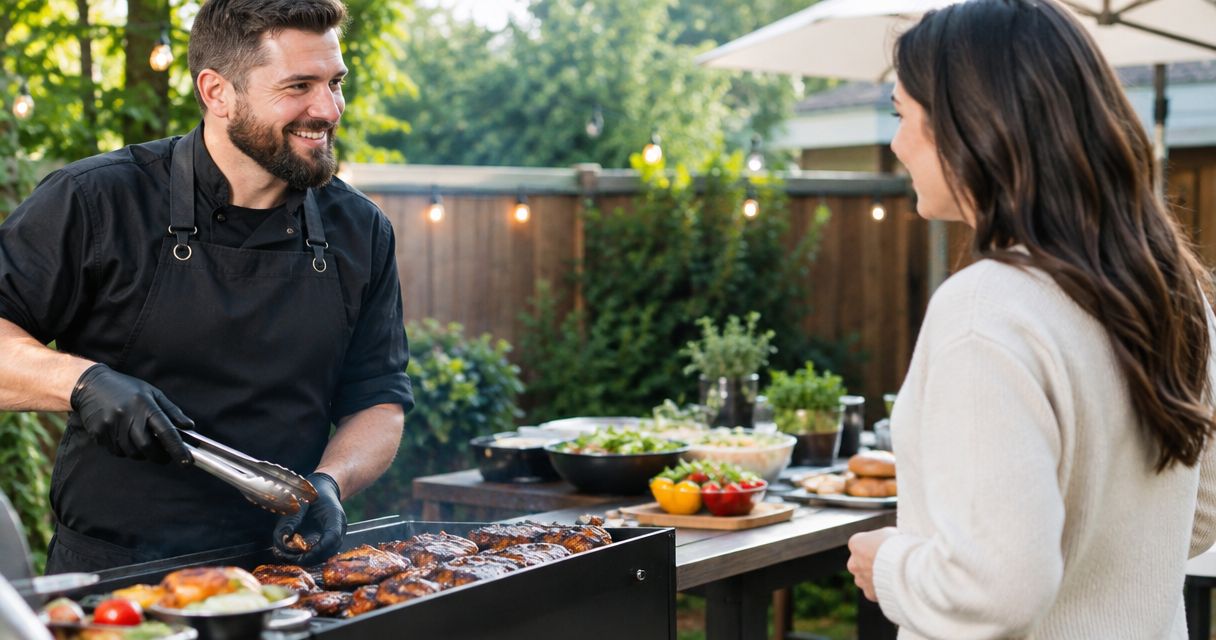
A BBQ brunch starts with a savory main and uses breakfast elements to keep the meal connected to the time of day. Discuss a BBQ centerpiece alongside suggested pairings such as savory grits, vegetables, and fruit.
DG&G Gravy Train Catering's stated BBQ and soul food focus makes this a relevant direction to discuss. Confirm the actual dishes and how they would work as a wedding brunch rather than assuming a particular package exists.
BBQ brunch pros:
- Gives a later reception a substantial meal direction.
- Connects naturally with a BBQ and soul food catering brief.
- Lets you choose a focused centerpiece instead of several unrelated entrées.
BBQ brunch cons:
- Too many lunch-style dishes can erase the brunch identity.
- A meat-centered menu still needs a complete alternative for guests who do not eat it.
Best for: Couples whose reception meal falls closer to lunch and who want BBQ to lead the celebration.
Keep the brunch element purposeful. A token breakfast side does not tie together a menu that otherwise reads as dinner.
Verdict: Buy into this approach for a lunch-leaning celebration; skip it if you want a distinctly breakfast-first meal.
How these menus rank
The Southern savory brunch ranks first because it gives you the most balanced planning framework: a substantial main, contrasting sides, and a fresh accompaniment. The other approaches win narrower roles—menu simplicity, vegetable emphasis, a distinct centerpiece, or a later meal.
This ranking evaluates menu structure, not tasted dishes or measured catering performance. Your final choice depends on the caterer's confirmed offering and the conditions at your venue.
Turn your favorite menu into a useful catering brief
Before requesting a proposal, write down the details that determine whether your chosen menu works. Keep the brief practical, y'all—the caterer needs the wedding-day facts, not just a collection of food photos.
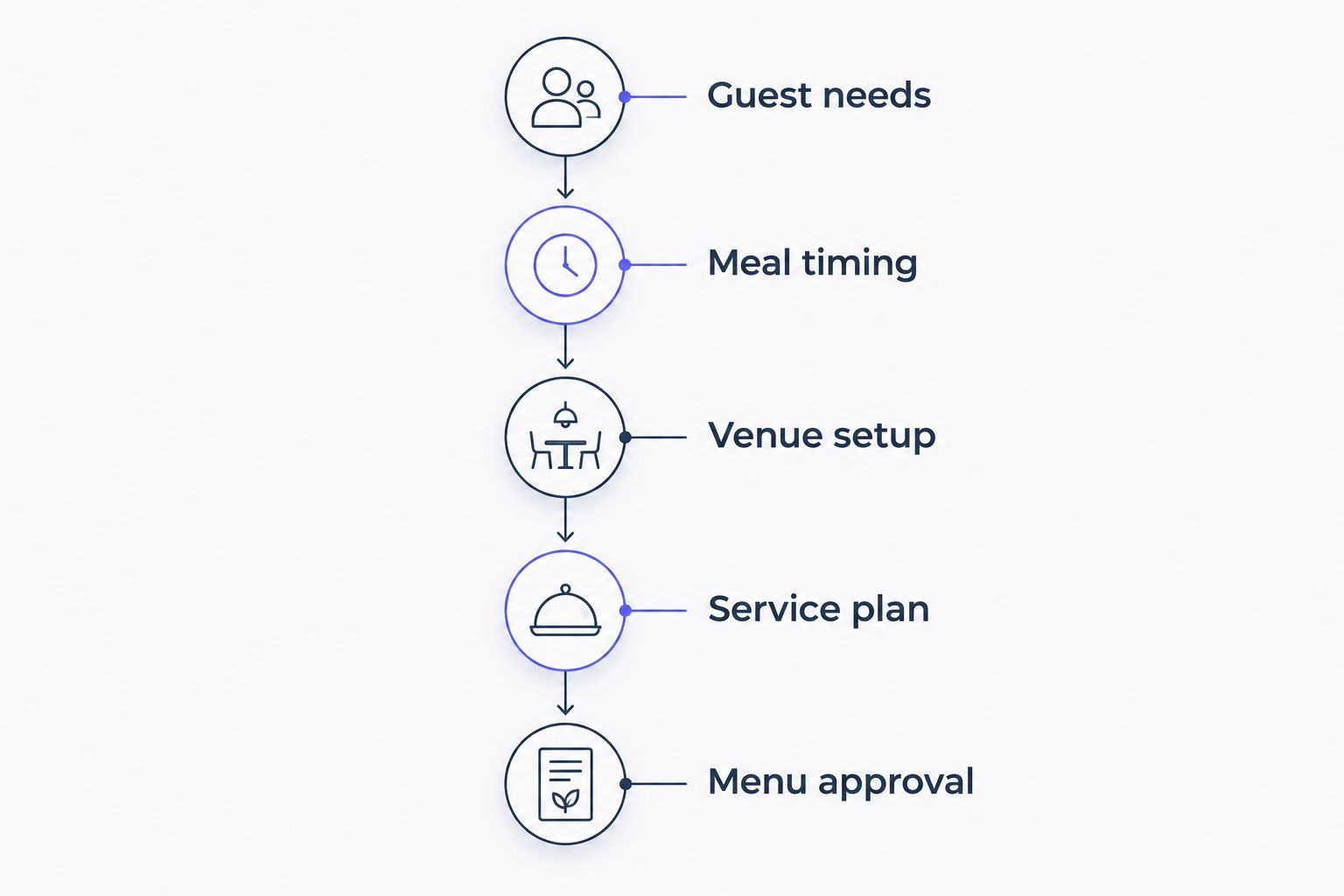
- Guest needs: Share your expected attendance and confirmed dietary requirements. Separate preferences from allergies that require specific handling discussions.
- Meal timing: Give the ceremony time, intended meal time, and any photographs or speeches that affect service.
- Venue setup: Explain kitchen access, serving space, loading arrangements, and any venue restrictions.
- Service plan: Ask who handles setup, serving, replenishment, clearing, and removal.
- Menu approval: Request the agreed dishes and responsibilities in writing before finalizing arrangements.
The sequence matters: settle the event requirements before approving the dishes. Otherwise, you risk choosing a menu first and discovering that the venue cannot support the service it needs.
Use the same brief when comparing proposals. Look for differences in responsibilities as well as dishes: one description of catering should not be treated as equivalent to another unless the service details match.
Which wedding brunch menu should you choose?
Choose Southern savory brunch if you are undecided. It gives you a clear meal structure without forcing every guest toward either a sweet breakfast or a heavy lunch.
Choose biscuit-and-egg brunch when you want a focused menu. Choose vegetable-forward brunch when your preferred meal centers on vegetables. Reserve chicken and waffles for a confirmed service setup, and choose BBQ brunch when the reception naturally leans toward lunch.
For a Charlotte wedding in 2026, the strongest next move is to ask DG&G Gravy Train Catering which of these directions fits its actual dishes, your guest needs, and your venue.
FAQ
What's the best catering menu for a wedding brunch in Charlotte, NC?
A Southern savory brunch is the best default planning choice: a substantial main, contrasting sides, and a fresh accompaniment. Confirm the dishes with your caterer rather than treating a suggested menu as an offered package.
Is BBQ a good choice for a wedding brunch?
BBQ is a good menu direction for a late-morning wedding reception that leans toward lunch. Keep breakfast elements purposeful and arrange a complete alternative for guests who do not eat the main protein.
What should I ask DG&G Gravy Train Catering about wedding brunch?
Ask which BBQ and soul food dishes fit your wedding brunch, venue, and guest requirements. Confirm service responsibilities, dietary handling, and the final menu directly with the company.
Can I serve chicken and waffles at a wedding reception?
Choose chicken and waffles only after confirming how the caterer will prepare and serve them. The venue facilities and meal schedule need to support the textures that make the dish appealing.
How do I plan wedding brunch for vegetarian and vegan guests?
Plan a complete meal for each dietary requirement rather than relying on side dishes. Confirm ingredients and preparation methods, because vegetable dishes can contain dairy, eggs, or meat-based broth.
What should go in a wedding brunch catering request for 2026?
Include your date, venue, expected attendance, meal schedule, dietary requirements, and preferred menu direction. Ask the caterer to specify dishes and service responsibilities in its proposal.
One last thing
Before approving the menu, describe the full plate each guest will receive—including a guest who cannot eat the main dish. If that second plate is only bread and fruit, the menu needs another conversation.
A welcoming wedding brunch is not about giving everyone every option. It is about making sure everyone has a meal.