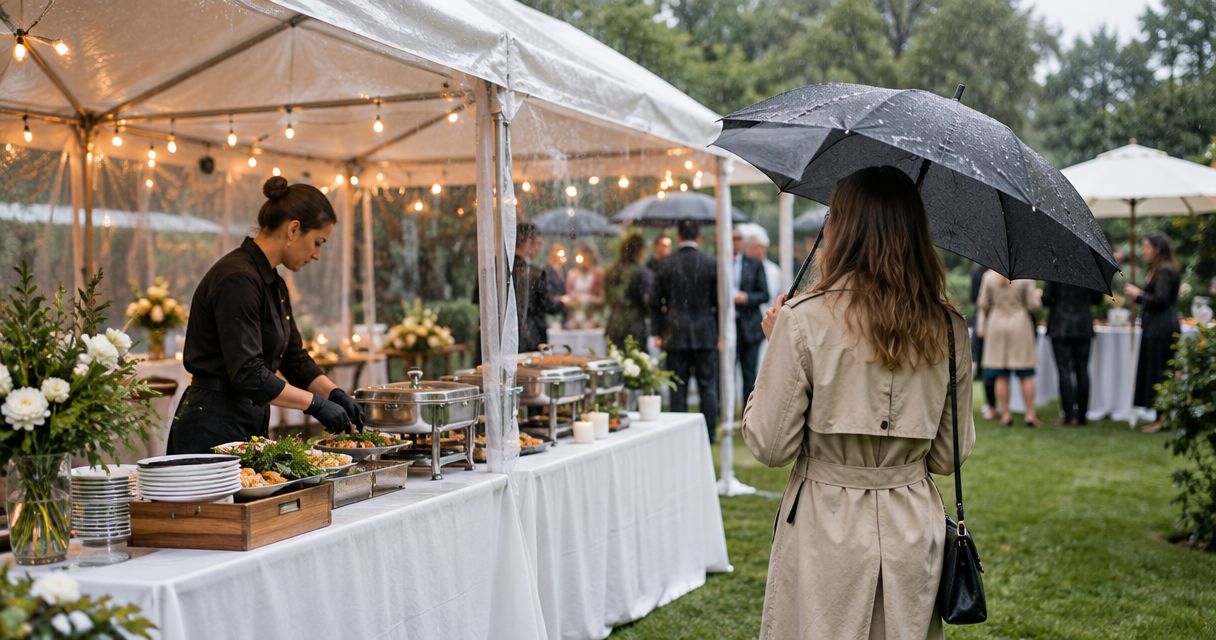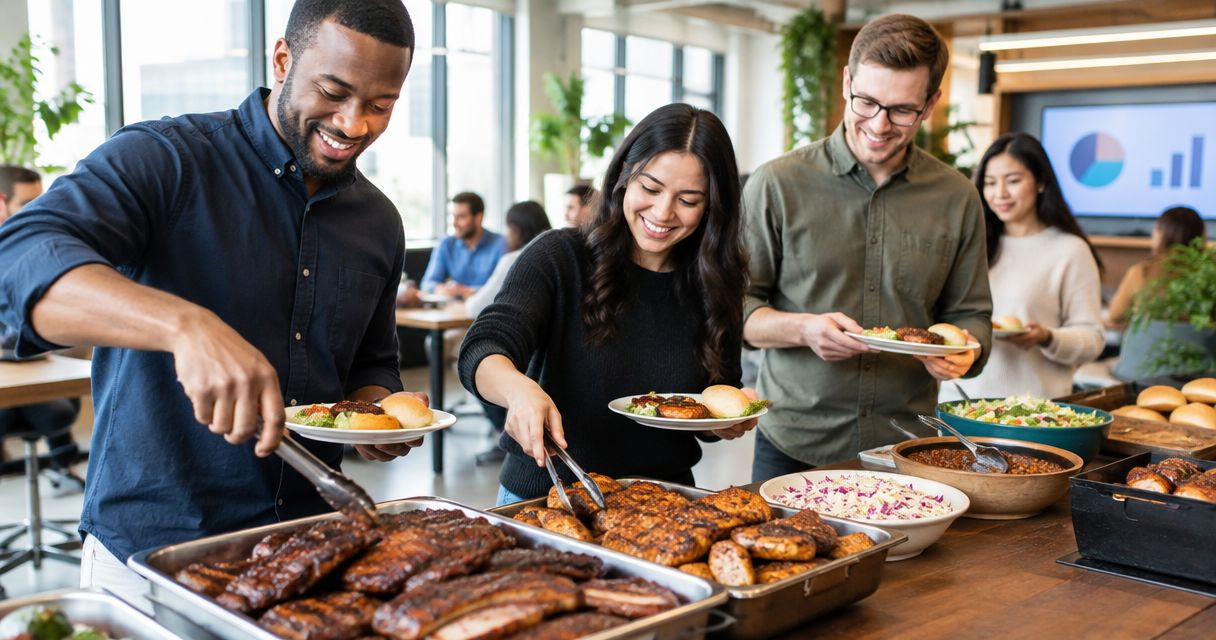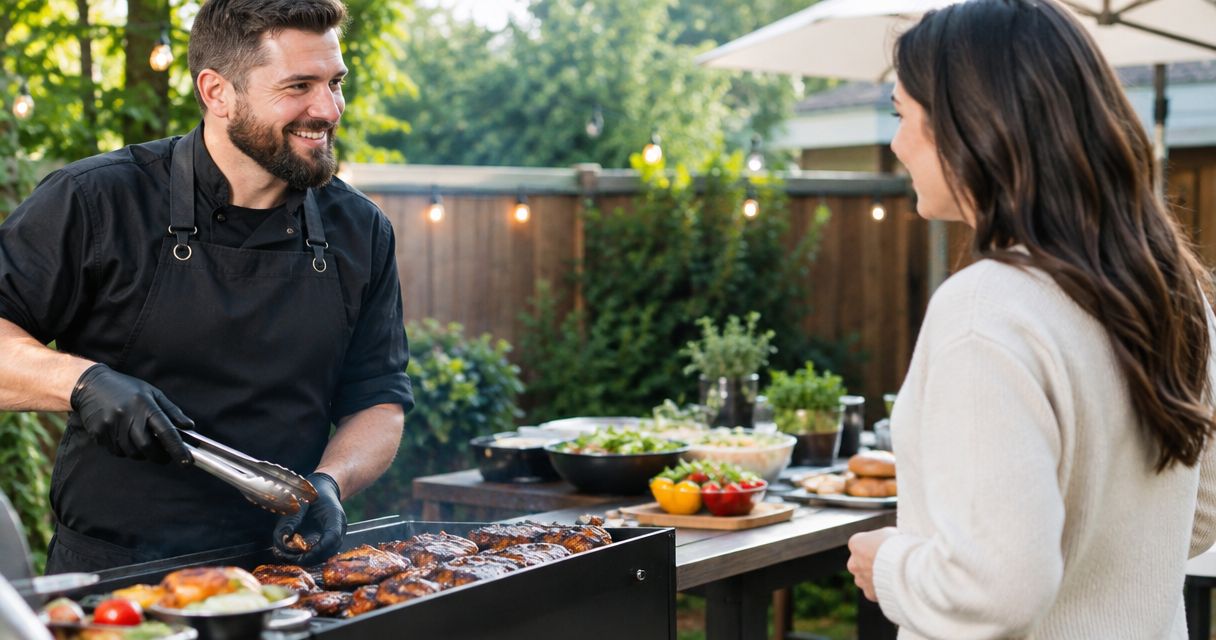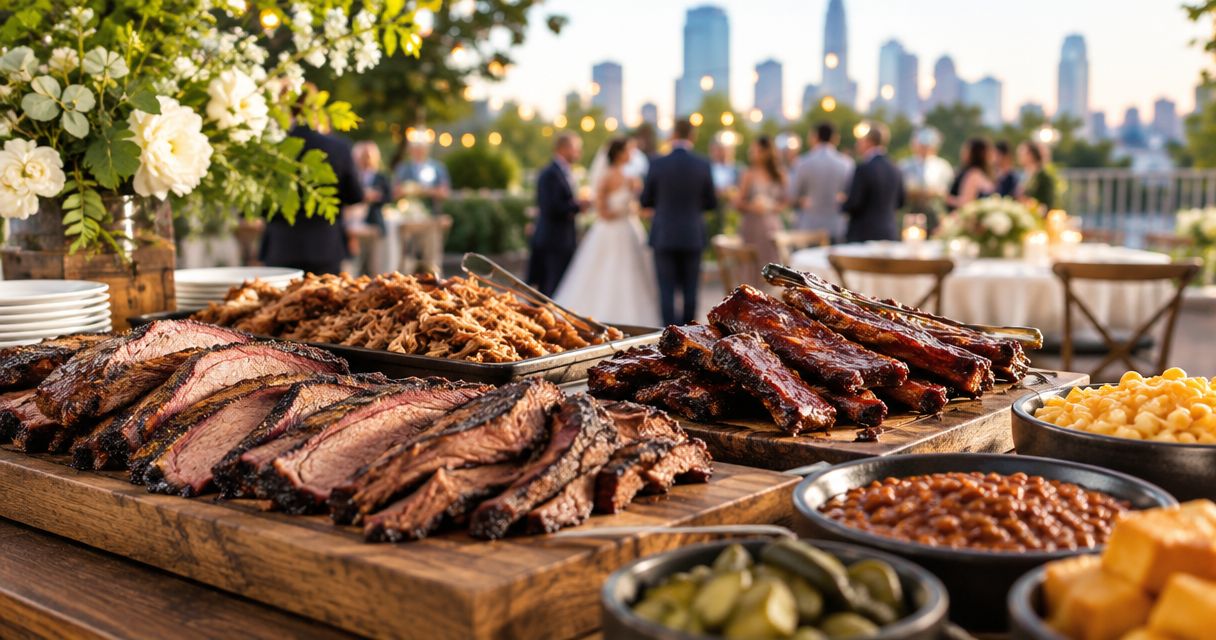
Best overall: a pulled pork and chicken buffet. Best for a family-style reception: a BBQ and soul food spread. Best for a simpler menu: a single-protein BBQ buffet. These are proposed menu formats for your 2026 Charlotte wedding, not confirmed catering packages; use them to shape your conversation with Gravytraincatering.
- Best BBQ catering menu for wedding Charlotte NC: choose a pulled pork and chicken buffet as your starting point.
- Gravytraincatering serves Charlotte-area weddings with BBQ and soul food catering; confirm your proposed dishes directly.
- Choose family-style BBQ for shared tables, or a sandwich station for a casual wedding reception.
- Match your wedding catering menu to dietary needs, venue rules, and the people handling service.
Why your wedding BBQ menu matters
A wedding menu has to do more than sound delicious. It needs to fit your guests, your reception schedule, and the space where everyone will eat. A savory BBQ spread loses its appeal when guests cannot tell which dishes meet their needs or where the serving line starts.
Gravytraincatering belongs on the shortlist for Charlotte-area couples seeking BBQ and soul food wedding catering. The company is based in Salisbury, NC, and serves weddings across the Charlotte metro area. The menu concepts below give you a practical brief to discuss, rather than a list of dishes you should assume any caterer provides.
For your 2026 reception, choose the service format before building a long menu. A seated dinner, a buffet, and a sandwich station ask different things of your venue and your guests.
What makes the best wedding BBQ catering menu?
Judge each menu against these criteria before choosing your favorite:
- Guest fit: Pick familiar main dishes your guests want to eat, then address vegetarian meals, allergies, and other dietary needs separately.
- Service fit: Match the food to a buffet, shared platters, staffed stations, or individual plates. Confirm which formats your caterer provides.
- Eating comfort: Think about bones, sauces, sandwich fillings, and how easily guests can eat while dressed for a wedding.
- Menu balance: Give rich, savory food a fresh or tangy counterpart. Avoid choosing every side simply because it sounds hearty.
- Venue readiness: Confirm kitchen access, serving space, holding equipment, cleanup responsibilities, and any restrictions on outside catering.
- Clear scope: Compare complete written proposals, including food, staffing, equipment, and service responsibilities—not menu descriptions alone.
Start your planning brief with 2 main-dish choices and 3 side-dish roles: something hearty, something fresh, and something vegetable-forward. That is a planning framework, not a serving-size rule. Adjust it with your caterer once you know your guest count and dietary requirements.
Wedding BBQ menus at a glance
Each option below has a different job. The ranking puts the broadest starting point first, followed by menus for specific reception styles.
| Rank | Proposed menu | Best for | Standout feature | Key limitation |
|---|---|---|---|---|
| 1 | Pulled pork and chicken buffet | A mixed guest list | Two distinct main-dish choices | Requires a separate plan for guests avoiding both meats |
| 2 | BBQ and soul food spread | Family-style dining | Shared dishes at the table | Platters compete with table décor and place settings |
| 3 | Single-protein BBQ buffet | Menu simplicity | One clear centerpiece | Guests who dislike that protein need another meal |
| 4 | BBQ sandwich station | A casual reception | Guests assemble their own sandwiches | Assembly creates another step in the serving line |
| 5 | Ribs-centered BBQ dinner | A food-first seated celebration | Ribs make the main course the focus | Bones and sauce demand thoughtful place settings |
| 6 | BBQ with a plant-based main | A mixed-diet guest list | A substantial non-meat meal alongside BBQ | Ingredients and preparation need explicit confirmation |
1. Pulled pork and chicken buffet: best for a mixed guest list
A pulled pork and chicken buffet gives your wedding meal two distinct main-dish directions without turning the reception into a sprawling food court. Build the proposed menu around those proteins, a hearty side, a vegetable dish, and a fresh or tangy accompaniment.
For a 2026 Charlotte wedding, this is the strongest default when you want BBQ but have not settled on a narrower theme. Ask the caterer which preparations suit the service format, and whether sauces can be served separately. Do not treat chicken as a solution for every guest who avoids pork; some guests avoid both.
Pulled pork and chicken buffet pros:
- Gives guests a choice between two meats.
- Supports a straightforward buffet menu.
- Leaves room for contrasting sides rather than more main dishes.
Pulled pork and chicken buffet cons:
- Does not itself provide a vegetarian main.
- Needs clear labels for sauces, ingredients, and dietary information.
Best for: Couples feeding a mixed guest list who want a recognizable BBQ meal.
Verdict: Pick this as your starting menu, then solve dietary exceptions deliberately.
2. BBQ and soul food spread: best for family-style dining
A BBQ and soul food spread suits a wedding where gathering around the table matters as much as the main dish. The proposed format uses shared platters and bowls, with a BBQ centerpiece and Southern-style sides chosen with the caterer.
Gravytraincatering offers BBQ and soul food catering, making this a relevant menu direction to discuss. Confirm the actual dishes and whether family-style service is offered before planning your table layout around it. Shared service is a format choice, not something implied by the cuisine.
Keep the menu balanced. A rich main and hearty sides benefit from a vegetable dish or tangy accompaniment that gives guests a different bite.
BBQ and soul food spread pros:
- Makes shared food part of the table experience.
- Gives side dishes a meaningful place in the meal.
- Fits a warm, family-gathering reception theme.
BBQ and soul food spread cons:
- Requires room for serving dishes on each table.
- Shared utensils need attention when guests have allergies.
- Replenishment and clearing require an agreed service plan.
Best for: Couples who want guests sharing food at seated tables.
Verdict: Pick this when family-style service and table space are confirmed.
3. Single-protein BBQ buffet: best for menu simplicity
A single-protein buffet puts one BBQ main at the center of the meal. Choose the protein after discussing your guests' preferences, then build enough contrast into the sides that the plate does not feel repetitive.
This is the simplest menu structure in the ranking, not a promise of a lower catering bill. Staffing, equipment, portions, and service scope still belong in the proposal. A shorter menu only helps when it serves the people attending.
For your 2026 wedding, ask how the caterer will handle guests who cannot eat the main dish. A collection of side dishes is not automatically an adequate replacement meal.
Single-protein BBQ buffet pros:
- Makes the menu easy to explain.
- Keeps attention on one main dish.
- Gives you a focused starting point for discussing sides.
Single-protein BBQ buffet cons:
- Offers no choice between main proteins.
- Needs a separate meal plan for dietary exceptions.
Best for: Couples who know their guests' preferences and want fewer menu decisions.
Verdict: Pick this for simplicity; skip it when your guest list needs broader main-dish choices.
4. BBQ sandwich station: best for a casual reception
A BBQ sandwich station lets guests build a sandwich from a proposed BBQ filling, bread, sauces, and toppings. Pair it with sides that guests can manage comfortably at the seating your venue provides.
The appeal is a relaxed meal with room for individual preferences. The trade-off is assembly: guests must collect bread, add filling, select toppings, and find a place to eat. Confirm whether staff will assemble sandwiches or guests will serve themselves.
Y'all can keep the spirit casual without leaving the details loose. Plan the station layout, utensils, napkins, and dietary alternatives with the same care you give the ceremony.
BBQ sandwich station pros:
- Lets guests choose their toppings and sauce.
- Fits an informal reception atmosphere.
- Gives the serving area a clear purpose.
BBQ sandwich station cons:
- Adds assembly steps to the food line.
- Bread and sauces need ingredient checks for dietary needs.
- Overfilled sandwiches are awkward to eat while standing.
Best for: Couples planning a relaxed reception with comfortable eating space.
Verdict: Pick this for a casual wedding, not as a substitute for adequate seating.
5. Ribs-centered BBQ dinner: best for a food-first celebration
A ribs-centered dinner makes the BBQ main the centerpiece. Keep the proposed accompaniments focused so guests can enjoy the main dish without juggling a crowded plate.
Ribs bring a practical consideration that pulled-meat menus do not: bones. Guests need suitable plates, utensils, napkins, and an agreed clearing plan. Ask about the preparation, portioning, and service format before committing to the concept.
For a 2026 wedding with formal attire, decide whether this hands-on meal matches the experience you want. There is nothing wrong with a soulful, sauce-forward dinner; it just needs a setting that supports it.
Ribs-centered BBQ dinner pros:
- Gives the meal a distinct centerpiece.
- Suits guests who specifically want ribs.
- Works as a focused menu rather than a long list of meats.
Ribs-centered BBQ dinner cons:
- Bones require plate clearing and disposal.
- Sauce and hands-on eating need extra consideration.
- Guests avoiding the main need another substantial option.
Best for: Couples whose guests enjoy ribs and will eat seated.
Verdict: Pick this when the eating experience suits your crowd; skip it for a standing reception.
6. BBQ with a plant-based main: best for a mixed-diet guest list
This menu pairs BBQ with a separately planned plant-based main dish. The goal is a complete meal for guests who do not eat meat—not a plate assembled from whatever sides remain.
Ask the caterer to identify the main dish, its ingredients, and its preparation method. Vegetarian and vegan are different requirements, and a vegetable side can contain animal ingredients. Guests with food allergies also need a separate conversation about ingredients and cross-contact.
A plant-based option belongs in the initial catering brief. Leaving it until the final menu review creates an avoidable gap between the meal you planned and the guests you invited.
BBQ with a plant-based main pros:
- Treats non-meat guests as part of the main meal plan.
- Keeps BBQ available for guests who want it.
- Makes dietary requirements explicit before service.
BBQ with a plant-based main cons:
- Requires confirmation of a suitable main dish.
- Needs ingredient and preparation details, not just a label.
- Adds another meal component to coordinate.
Best for: Couples hosting meat eaters alongside vegetarian or vegan guests.
Verdict: Pick this whenever your guest list includes people who need a non-meat main.
How the menus are ranked
The pulled pork and chicken buffet ranks first because it gives you two main-dish choices within a familiar service format. The remaining menus answer narrower needs: shared dining, simplicity, casual assembly, a ribs-focused meal, or mixed dietary requirements.
This is a ranking of proposed menu structures, not a tasting review or a comparison of caterers. Each recommendation follows the criteria above: guest fit, service fit, eating comfort, menu balance, venue readiness, and clear scope.
Which wedding BBQ menu should you choose?
Choose the pulled pork and chicken buffet if you are undecided. Then change that default only for a clear reason: your seating plan, your guests' dietary needs, or the kind of meal you want to share.
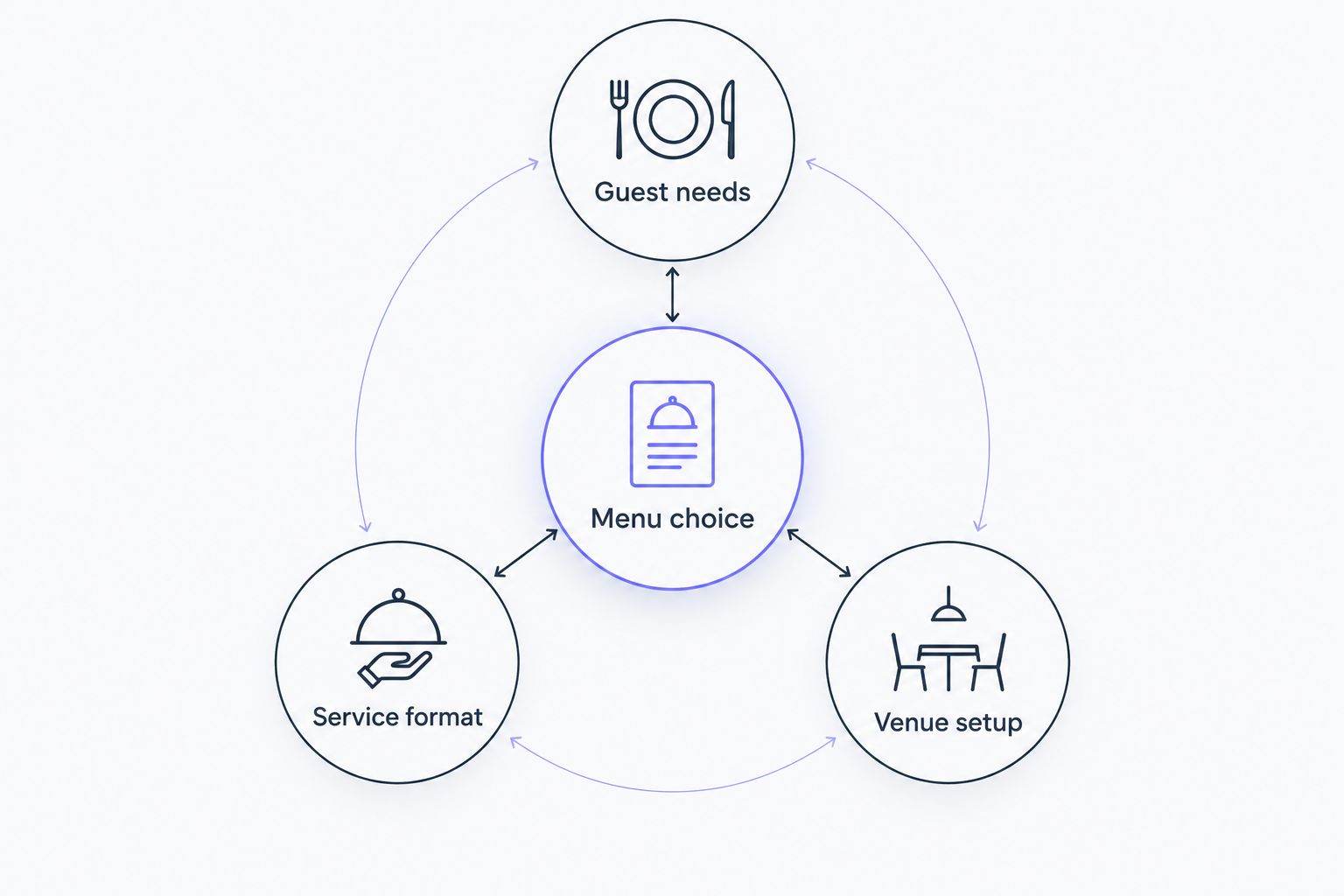
Use these three decisions to narrow your 2026 wedding brief:
- Guest needs: Choose a substantial alternative when guests cannot eat the proposed mains.
- Service format: Decide between a buffet, shared tables, or a station before finalizing dishes.
- Venue setup: Check serving space, equipment, seating, and cleanup responsibilities before accepting the menu.
Send your caterer a useful brief: event date, venue, guest count, meal timing, preferred menu format, and dietary requirements. Ask for the exact dishes and service responsibilities in writing. That gives you something concrete to review together.
Gravytraincatering's BBQ and soul food catering is a relevant starting point for that Charlotte-area wedding conversation. Confirm your chosen menu concept directly rather than assuming every dish or service format above is offered.
Plan Your Wedding BBQ Menu
Discuss your Charlotte-area wedding, preferred menu format, guest count, and dietary requirements.
FAQ
What's the best BBQ catering menu for a wedding in Charlotte, NC?
A pulled pork and chicken buffet is the strongest starting menu in this guide for a mixed guest list. Add contrasting sides and a substantial alternative for guests who cannot eat either meat, then confirm the actual dishes with your caterer.
Does Gravytraincatering cater weddings around Charlotte?
Gravytraincatering serves weddings across the Charlotte metro area and is based in Salisbury, NC. The company offers BBQ and soul food catering; discuss your venue, menu, and service requirements directly.
Is a BBQ buffet better than family-style wedding catering?
A BBQ buffet is the better starting point when you want guests to choose their own plates, while family-style service suits shared dining at seated tables. Confirm serving space for a buffet or platter space and replenishment arrangements for family-style service.
How many BBQ meats should I choose for my wedding?
Two main-dish choices are a useful planning starting point, not a universal requirement. Choose fewer or more only after discussing guest preferences, dietary needs, and service logistics with your caterer.
Can I serve ribs at a formal wedding reception?
You can plan a ribs-centered formal reception when guests have suitable seating, place settings, napkins, and plate clearing. Confirm the preparation and service format so bones and sauce fit the experience you want.
What should vegetarian guests eat at a BBQ wedding?
Vegetarian guests need a confirmed, substantial non-meat meal rather than an assumption that the sides will suffice. Ask about ingredients and preparation, and distinguish vegetarian requirements from vegan needs and food allergies.
What information should I send when asking about wedding catering?
Send the event date, venue, guest count, meal timing, preferred service format, and dietary requirements. Request a written proposal identifying the dishes, staffing, equipment, and cleanup responsibilities.
One last thing
Ask about the ingredients in the sides, not just the main dishes. A vegetable dish is not automatically vegetarian, and a familiar sauce name does not tell an allergic guest everything they need to know.
Before approving your 2026 wedding menu, make one final pass through every guest's dietary requirements with the caterer. A welcoming BBQ meal gives each guest a complete plate they can eat. That is the detail that turns a good-looking menu into good hospitality.