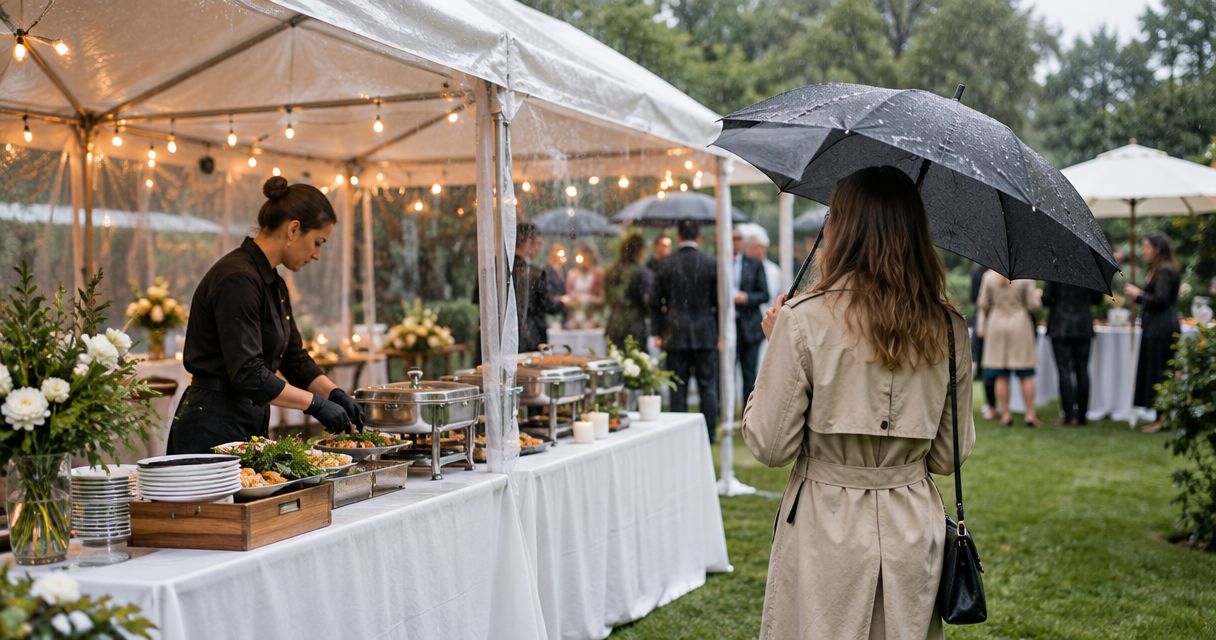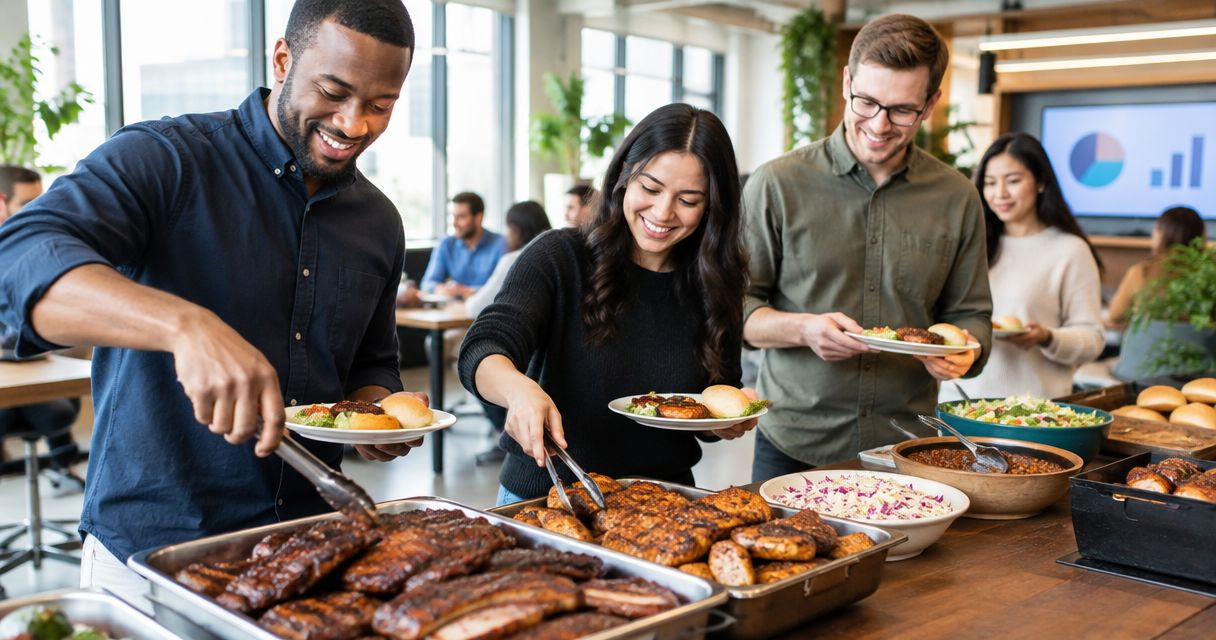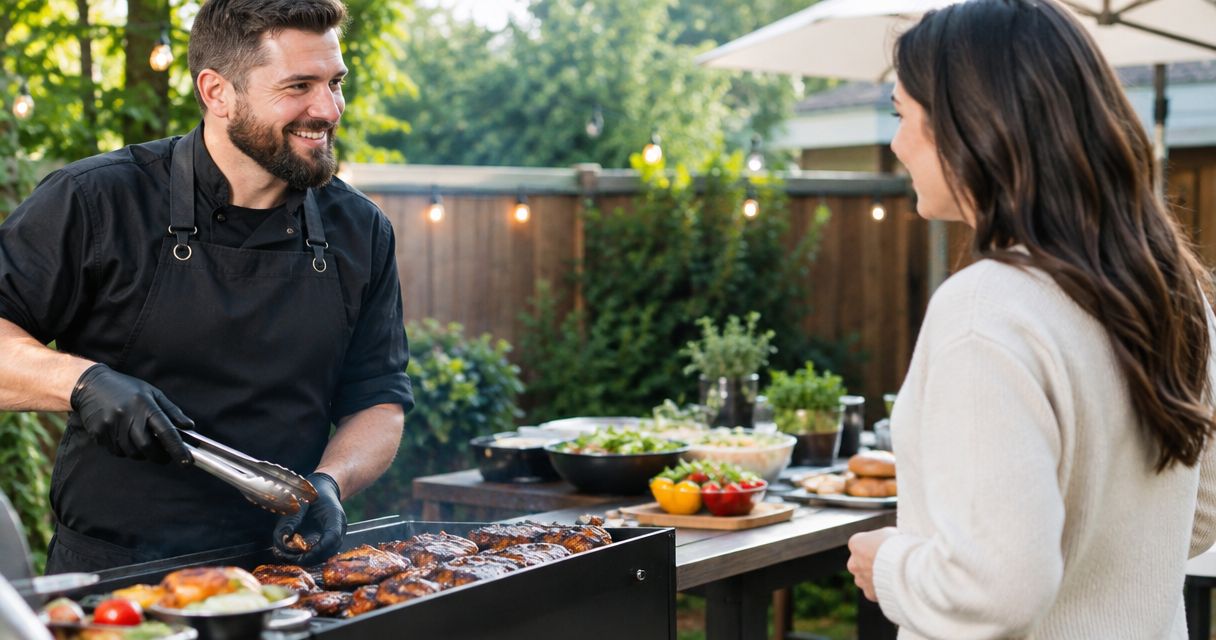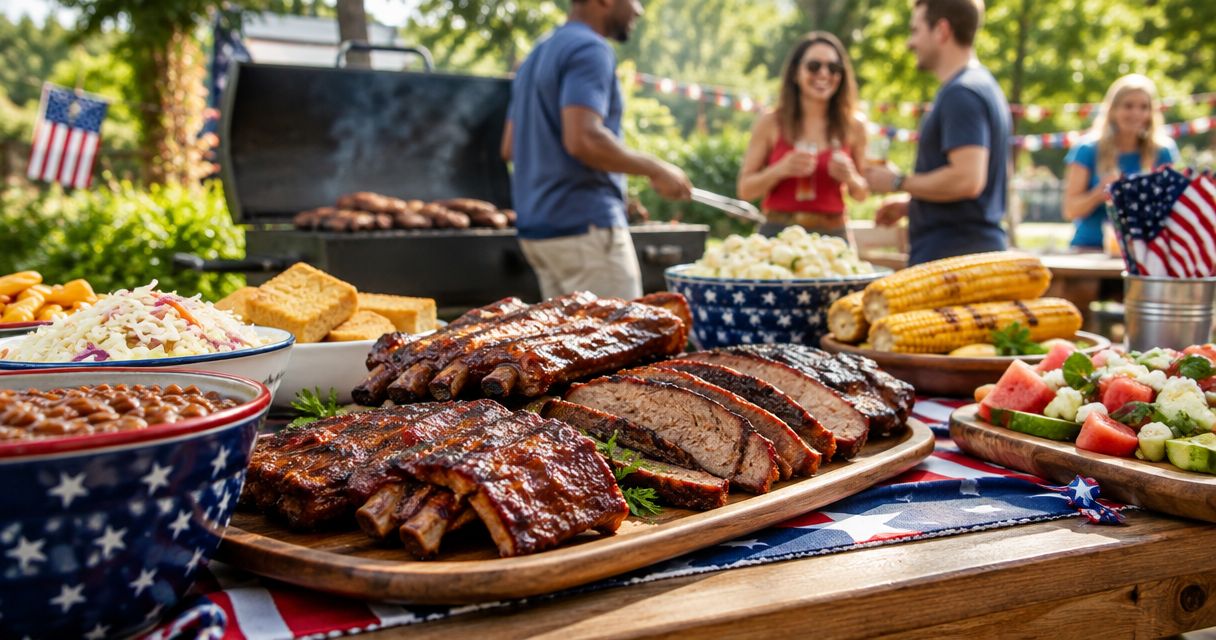
Best overall: a pulled pork and chicken buffet. Best for a centerpiece meal: a ribs-focused spread. Best for easy backyard serving: a pulled pork sandwich menu. These are the strongest starting points for your Fourth of July cookout in 2026; choose the format that fits how your guests will eat.
- The best bbq catering menu for fourth of july cookout balances a main dish, contrasting sides, and practical service.
- Choose pulled pork and chicken for variety, ribs for a seated meal, or sandwiches for easy handling.
- DG&G Gravy Train Catering serves BBQ and soul food for private parties across the Charlotte metro area.
- Treat these menus as planning ideas; confirm dishes, ingredients, and service details directly with your caterer.
Why this matters
A holiday cookout needs more than a table full of savory food. You need dishes guests can carry, a serving setup that keeps food safe, and something satisfying for anyone who does not eat the main protein.
DG&G Gravy Train Catering is a Salisbury-based BBQ and soul food catering company serving the Charlotte metro area. It is a local catering option for hosts planning a BBQ and soul food cookout. The combinations below are proposed menus, not named packages or confirmed dishes from the company.
For your 2026 celebration, settle the service format before debating every side. A ribs dinner and a sandwich buffet ask different things of your tables, serving equipment, and guests.
What makes the best Fourth of July BBQ catering menu
Judge your menu against these criteria before choosing a spread:
- Eating setup: Match the food to seated dining, picnic tables, or guests eating from their laps.
- Flavor balance: Pair rich barbecue with something crisp, tangy, or fresh rather than making every side heavy.
- Dietary coverage: Give guests who skip meat a real meal, not just a bun and a spoonful of slaw.
- Service flow: Separate choices that slow the line, such as sauces and toppings, from the main serving point.
- Safe holding: Plan hot and cold holding before food arrives, especially for an outdoor 2026 event.
- Confirmed scope: Ask exactly which dishes, utensils, serving equipment, and staffing your arrangement includes.
Fourth of July catering menus at a glance
| Rank and menu | Best for | Standout feature | Key limitation |
|---|---|---|---|
| 1. Pulled pork and chicken buffet | Mixed-preference gatherings | Two different main-dish choices | More serving pans and utensils to manage |
| 2. Ribs-focused spread | Seated backyard dinners | A centerpiece main | Bones, sauce, and plates need proper cleanup |
| 3. Pulled pork sandwich menu | Casual, moving-around cookouts | Simple sandwich assembly | Buns and toppings need separate organization |
| 4. Chicken and soul food spread | Side-dish lovers | A meal built around chicken and Southern-style accompaniments | Rich sides need deliberate balance |
| 5. Plant-forward BBQ spread | Guests avoiding meat | A substantial meatless meal | Ingredients require careful confirmation |
No single menu wins every cookout. Choose by the guest experience you want, then confirm the actual dishes with your caterer.
1. Pulled pork and chicken buffet: best for mixed preferences
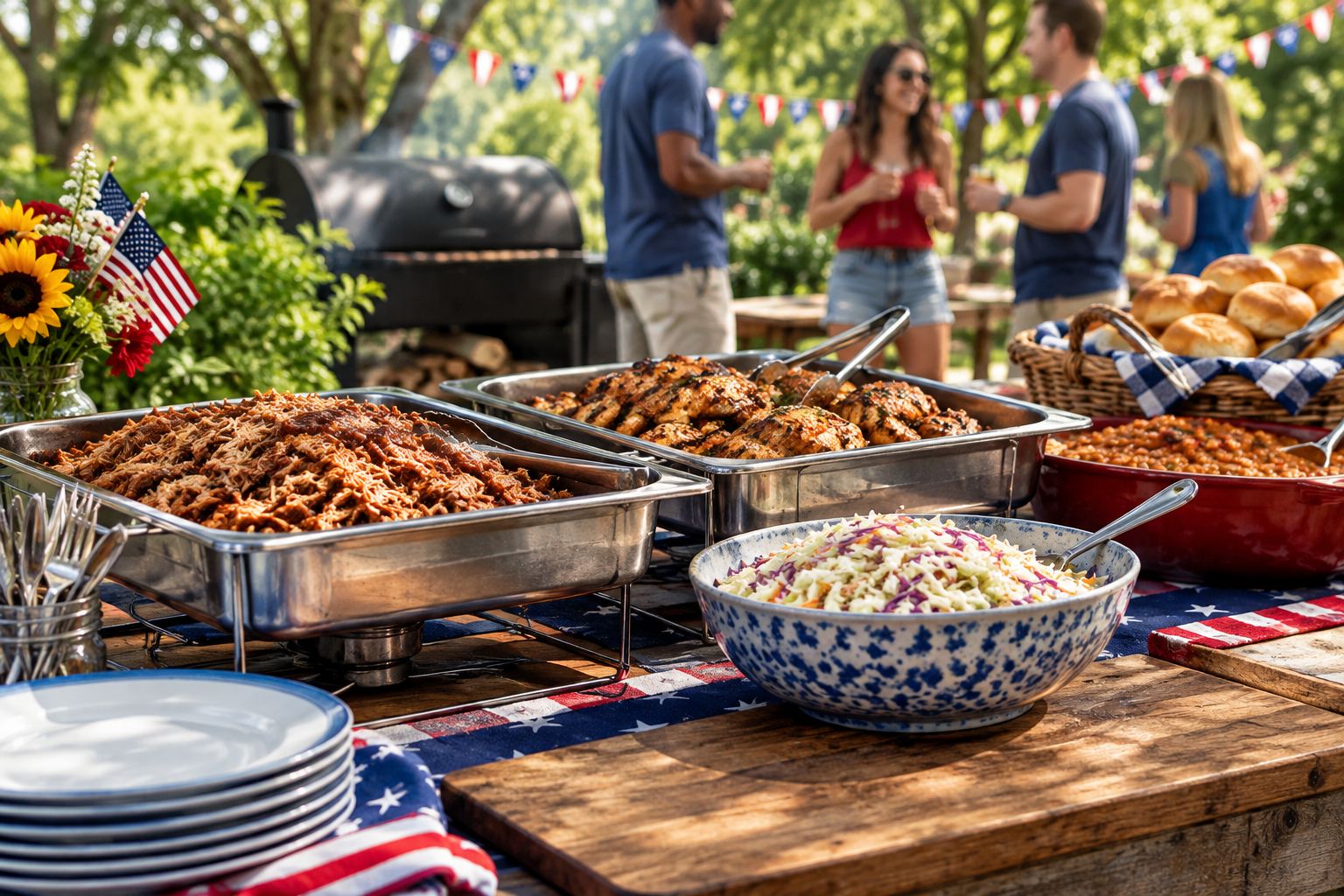
Build this proposed menu around pulled pork, chicken, a warm side, a crisp side, and bread. Macaroni and cheese alongside vinegar-style slaw is one possible pairing; ask your caterer which preparations they offer.
Best for: Family gatherings where guests want a choice of main dish without an oversized menu. For a 2026 cookout with varied tastes, this is the default recommendation.
The two-main structure gives you flexibility without asking every guest to assemble a complicated plate. When discussing your event with DG&G Gravy Train Catering, use this format as a starting brief rather than assuming a particular preparation is included.
Pulled pork and chicken buffet pros:
- Gives guests two distinct main choices.
- Lets you balance warm comfort food with a crisp side.
- Works as a plated meal or buffet concept.
Pulled pork and chicken buffet cons:
- Requires separate utensils and holding space for each main.
- Does not cover meatless guests without another substantial dish.
Verdict: Buy this format for a mixed-preference gathering after confirming the menu and service details.
2. Ribs-focused spread: best for a seated centerpiece meal
Make ribs the main event, with bread and contrasting sides rather than several competing meats. A proposed combination is ribs, slaw, a bean dish, and cornbread, subject to your caterer's menu and ingredient confirmation.
Best for: A backyard gathering where guests have tables, sturdy plates, and time to sit down. This is food to settle in with, not balance while greeting everyone at the gate.
Put cleanup into the plan. Provide accessible trash containers, napkins, and a clear place for used plates so bones and sauce do not become the host's evening project.
Ribs-focused spread pros:
- Gives the meal a clear centerpiece.
- Makes a focused menu feel intentional.
- Pairs naturally with crisp slaw and bread.
Ribs-focused spread cons:
- Bone-in ribs are awkward for standing guests.
- Sauce and discarded bones require more cleanup planning.
- Guests who avoid pork need a separate main.
Verdict: Buy for a seated cookout; skip as the default for a standing reception.
3. Pulled pork sandwich menu: best for casual backyard serving
Serve pulled pork with buns, slaw, sauce on the side, and a substantial side dish. Keep the components separate so guests decide how much sauce and slaw belong on their sandwich.
Best for: A relaxed gathering where guests move between the yard, porch, and picnic tables. Sandwiches give the meal a clear format without requiring a full seated dinner.
Do not confuse simple food with a self-running buffet. Put plates first, followed by buns and pork, then move optional toppings away from the busiest serving point. Keep reserve food safely held instead of setting everything out together.
Pulled pork sandwich menu pros:
- Creates a straightforward assembly sequence.
- Lets guests control toppings and sauce.
- Keeps the main-dish choice focused.
Pulled pork sandwich menu cons:
- Gluten-free guests need a separately confirmed alternative to standard buns.
- Toppings can create a bottleneck when placed beside the pork.
- A pork-only main leaves some dietary needs uncovered.
Verdict: Buy for a casual backyard cookout when simple serving matters most.
4. Chicken and soul food spread: best for side-dish lovers
Build the meal around chicken, then choose sides with different textures and flavors. A proposed plate might include macaroni and cheese, greens, cornbread, and a fresh vegetable dish; confirm each item and preparation before ordering.
Best for: Guests who look forward to the sides as much as the barbecue. This format suits a family-style holiday meal where the whole plate matters.
Y'all can keep the comforting favorites without making every bite rich. Include a fresh or tangy element, and ask about the seasoning in greens and beans. A vegetable dish is not automatically vegetarian when its preparation includes meat or stock.
Chicken and soul food spread pros:
- Gives the side dishes a meaningful role.
- Provides a main-dish alternative to a pork-centered menu.
- Supports a mix of crisp, soft, savory, and tangy elements.
Chicken and soul food spread cons:
- Several hot sides require additional holding space.
- Dairy, wheat, and meat-based seasonings need ingredient checks.
Verdict: Buy for a side-loving crowd, with a fresh contrast built into the plate.
5. Plant-forward BBQ spread: best for guests avoiding meat
Create a complete plate around a substantial bean dish, grilled vegetables, slaw, and a grain or potato side. These are planning suggestions, not a claim that any particular caterer prepares them.
Best for: Vegetarian guests or a gathering intentionally built around meatless food. If the meal must be vegan, every component needs confirmation, including sauces, dressings, bread, and cooking fats.
Give this menu its own serving utensils. A meatless dish loses its purpose for some guests when the same spoon or tongs move between it and the barbecue.
Plant-forward BBQ spread pros:
- Treats meatless guests as full dinner guests.
- Builds variety through vegetables, beans, and contrasting sides.
- Can stand alone rather than functioning as an afterthought.
Plant-forward BBQ spread cons:
- Vegetarian and vegan requirements are different.
- Shared preparation and serving equipment need discussion.
- Substantial dishes require planning beyond simply removing meat.
Verdict: Buy only after the caterer confirms ingredients and preparation meet your guests' needs.
How these menus rank
The pulled pork and chicken buffet ranks first because it offers two main-dish choices while keeping the menu focused. Ribs win for seated dining; sandwiches win for casual handling; the remaining menus serve side-focused and meatless priorities.
This is a planning comparison based on eating setup, flavor balance, dietary coverage, service flow, and safe holding—not a tasting test or a ranking of catering companies.
Turn your menu choice into a clear catering brief
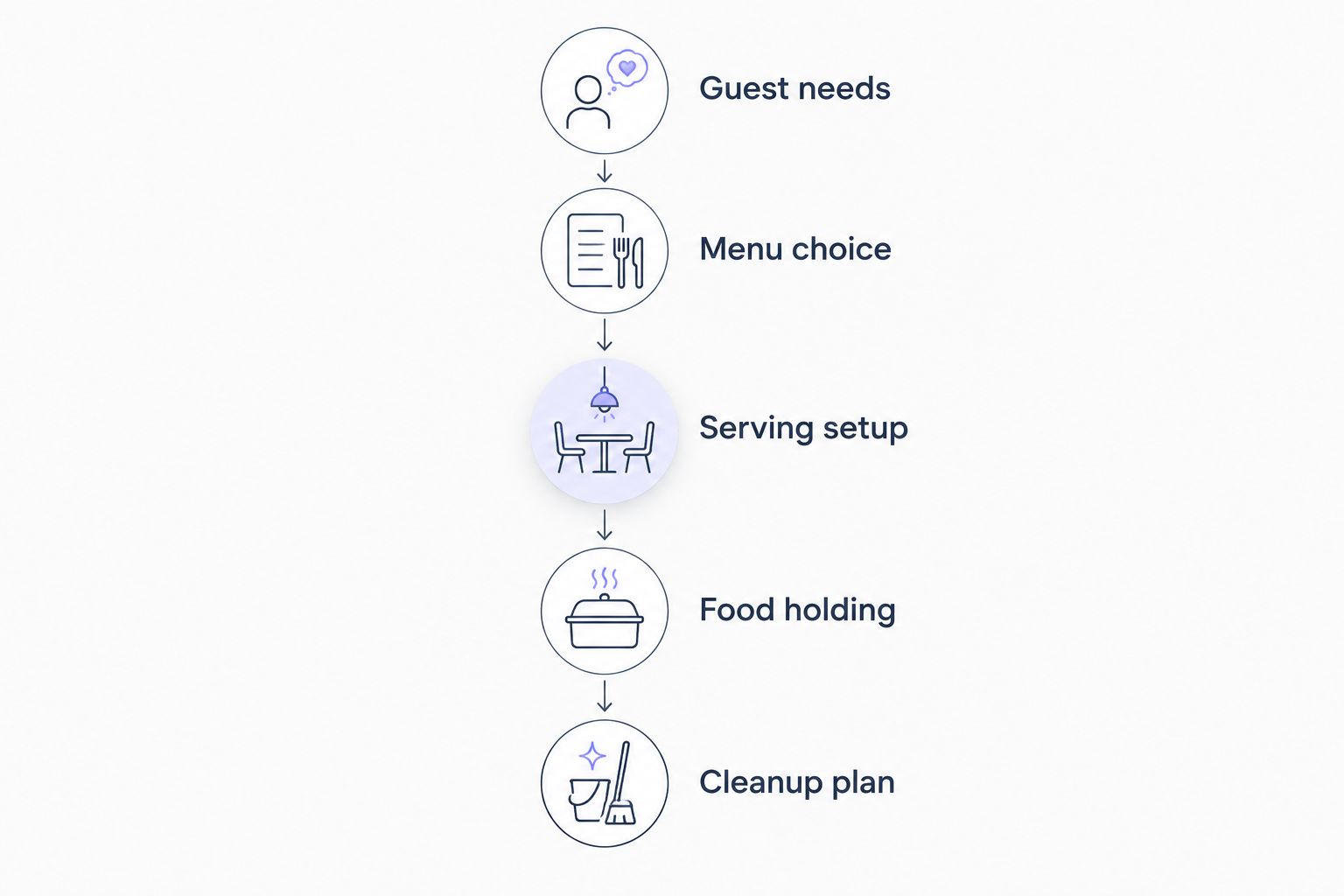
For July 4, 2026, give your caterer a useful brief rather than a long wish list. Work through these decisions in order:
- Guest needs: State the expected attendance and confirmed dietary restrictions.
- Menu choice: Name your preferred main dishes and the contrast you want from sides.
- Serving setup: Explain whether guests will sit, stand, or move around the yard.
- Food holding: Confirm who supplies and manages hot and cold holding equipment.
- Cleanup plan: Clarify utensils, plates, waste handling, and the end of service.
Put the agreed details in writing. Include the serving location, meal time, dietary arrangements, and responsibility for equipment, rather than leaving those decisions until the food arrives.
Plan your Fourth of July meal
Discuss BBQ and soul food catering for your Salisbury or Charlotte-area gathering.
Keep the outdoor buffet safe
USDA food-safety guidance calls for keeping hot food at 140°F or above and cold food at 40°F or below. Perishable food should not sit outside temperature control for more than 2 hours, or 1 hour when the temperature is above 90°F.
These rules matter whether you choose chicken, pork, beans, or slaw. For your 2026 cookout, arrange appropriate holding equipment and bring out smaller serving portions while reserves stay safely held. Shade alone is not refrigeration.
Which Fourth of July menu should you choose?
Choose pulled pork and chicken with a warm side, a crisp side, and bread if you want the clearest default. Add a confirmed substantial meatless dish when your guest list calls for one.
Choose ribs when seating is part of the occasion, or sandwiches when guests will move around. Take that decision to DG&G Gravy Train Catering and confirm the actual menu before building the rest of your celebration around it.
FAQ
What's the best BBQ catering menu for a Fourth of July cookout?
A pulled pork and chicken buffet is the strongest default for guests who want different main dishes. Pair it with a warm side, a crisp side, and bread, then address dietary restrictions separately.
Are ribs or pulled pork better for a backyard party?
Pulled pork suits casual sandwich serving, while ribs suit a seated meal. Choose based on how guests will eat and how you will handle plates, sauce, and cleanup.
What sides should I serve with Fourth of July barbecue?
Choose sides with contrasting textures and flavors, such as a warm comfort-food side and crisp slaw. Confirm the caterer's actual dishes and ingredients before settling the menu.
How do I feed vegetarian guests at a BBQ cookout?
Provide a substantial meatless dish with suitable sides, not just bread and toppings. Confirm stocks, cooking fats, sauces, and separate serving utensils.
Does DG&G Gravy Train Catering serve the Charlotte area?
DG&G Gravy Train Catering serves the Charlotte metro area from Salisbury, NC. The company provides BBQ and soul food catering for private parties, weddings, corporate events, and church gatherings.
How long can catered food stay outside at a cookout?
USDA guidance limits perishable food outside temperature control to 2 hours, or 1 hour above 90°F. Keep hot food at 140°F or above and cold food at 40°F or below.
What should I confirm before ordering Fourth of July catering?
Confirm the dishes, ingredients, guest count, service arrangements, equipment, and cleanup responsibilities. Put dietary requirements and the meal time in the written event details.
One last thing
A vegetable side can contain meat-based seasoning, and a meatless main can still contain dairy or eggs. For July 4, 2026, ask about preparation—not just dish names. That small conversation helps you serve a plate your guests can actually eat.